Les Mille et Une Nuits
Les Mille et Une Nuits
“Cutting directly into colour, drawing with scissors reminds me of the direct carving of sculptors”
(Jazz, 1947)
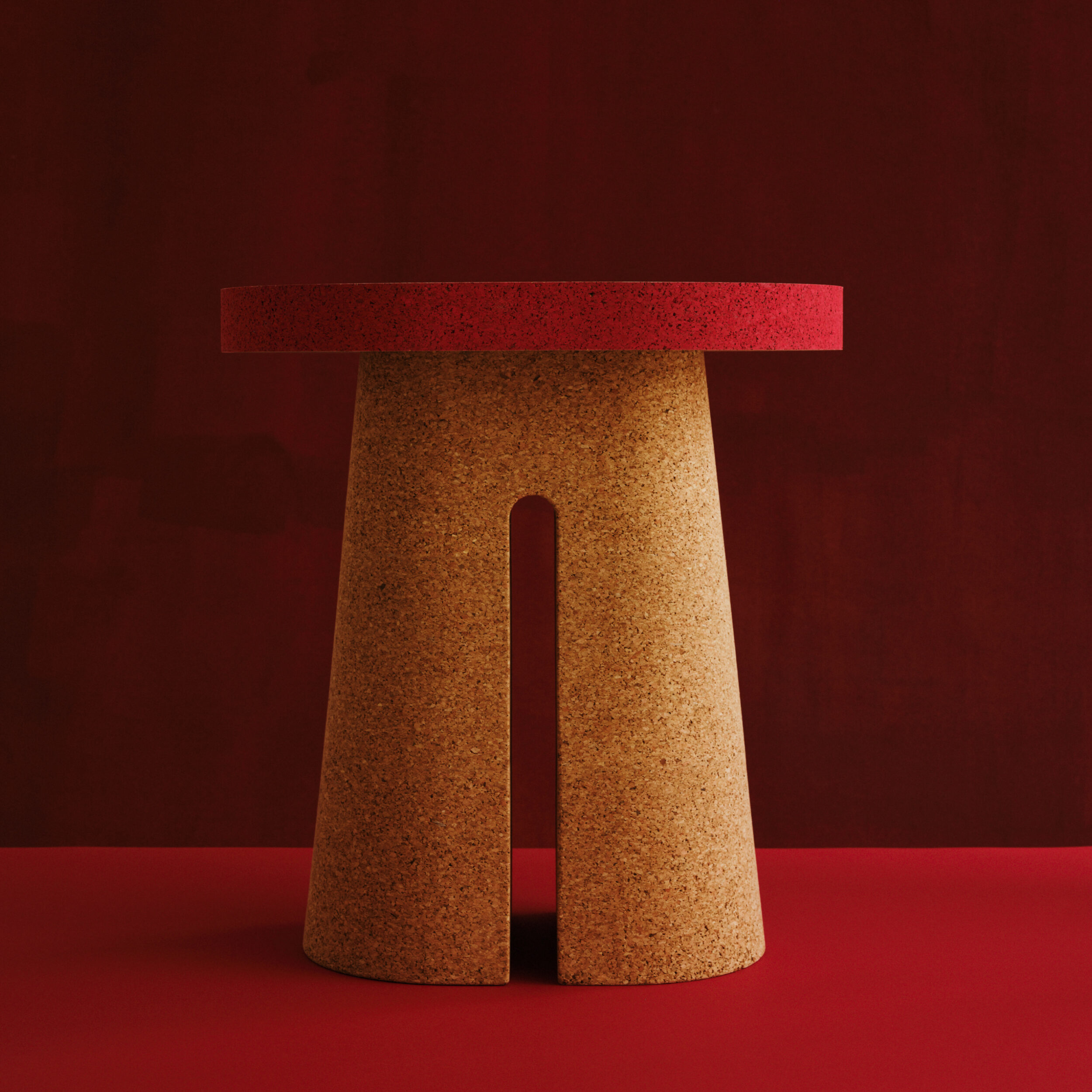
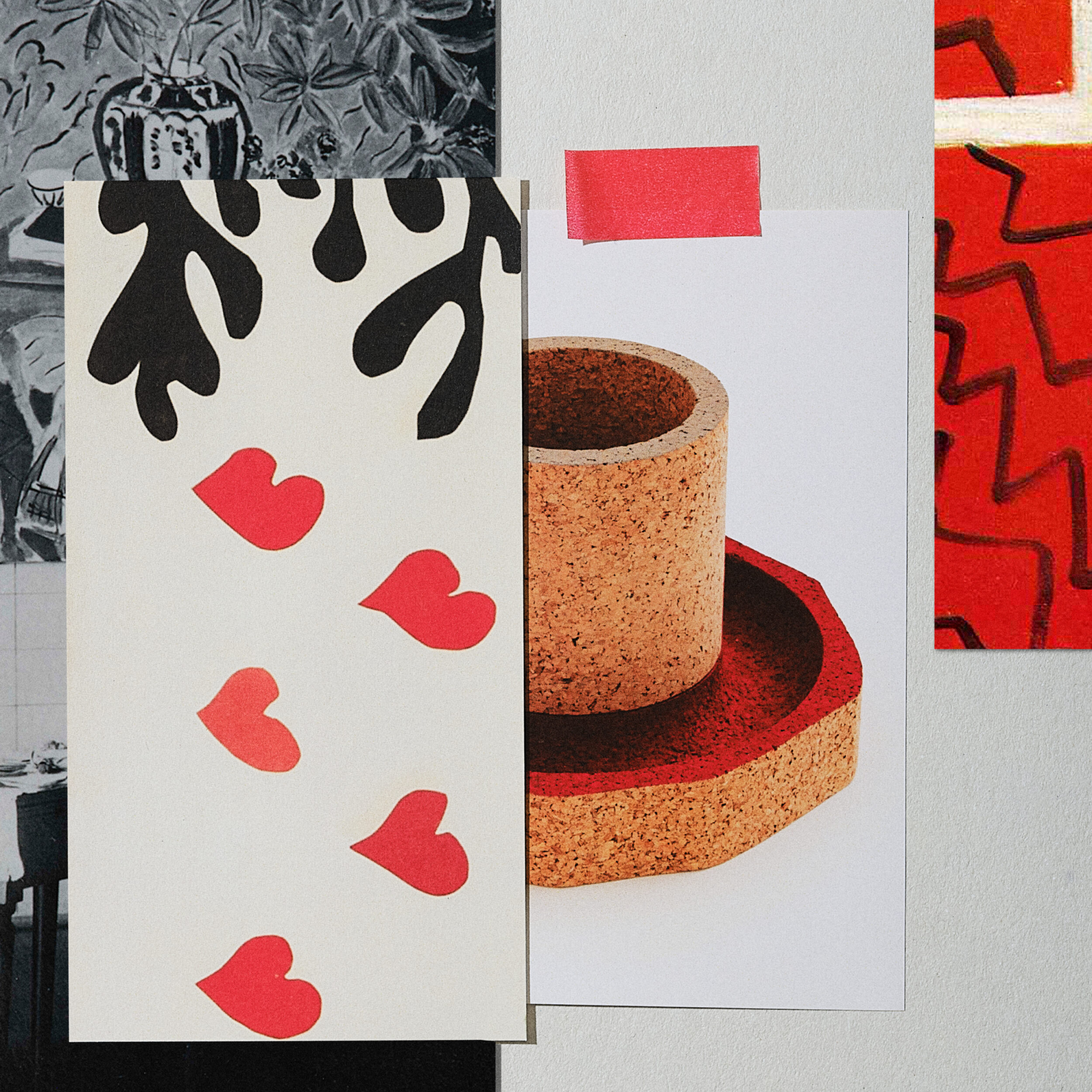
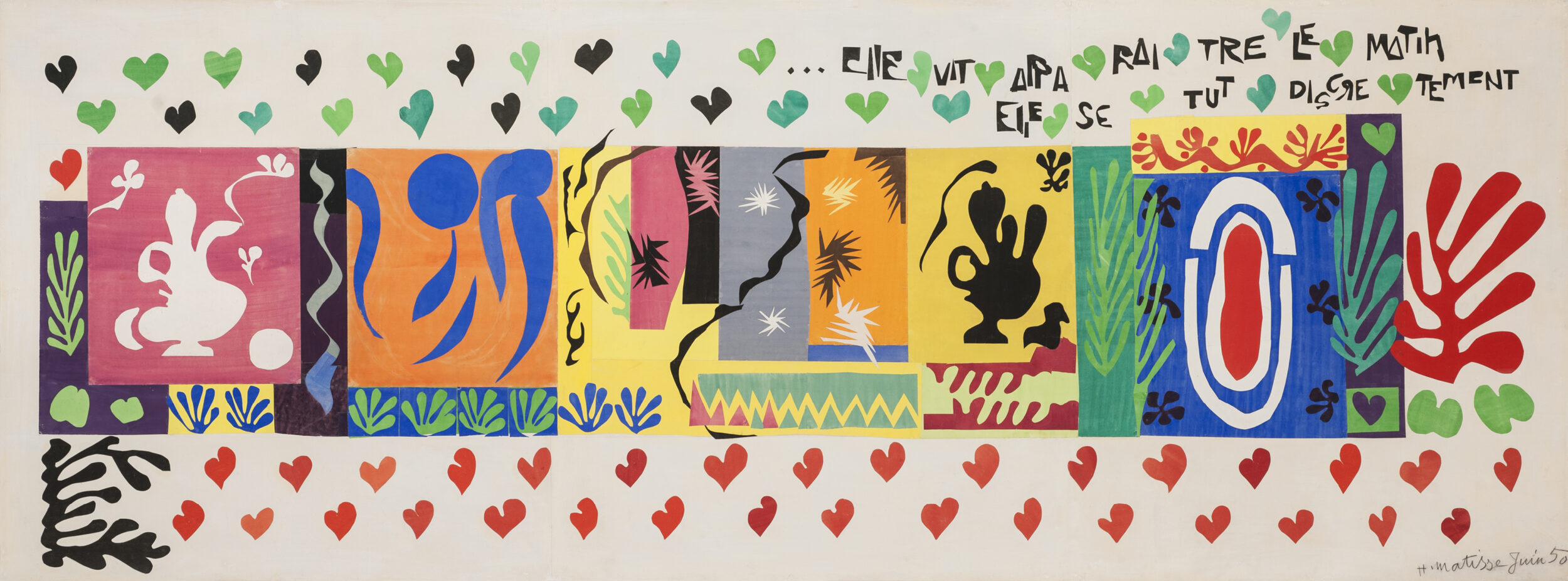
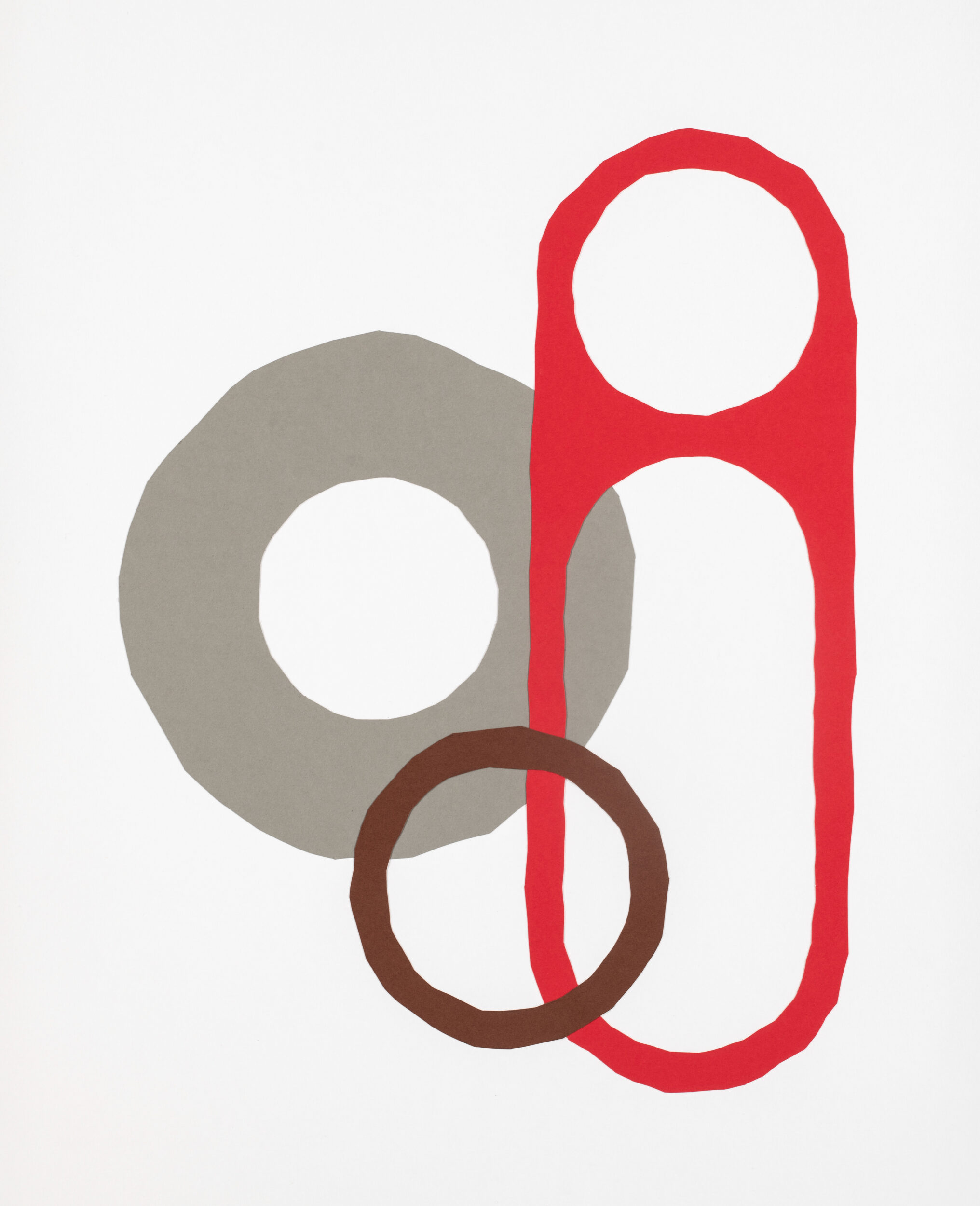
Inspired by one of the first monumental paper cut-outs created by Henri Matisse in 1950, the collection called Les Mille et Une Nuits offers a range of desk accessories and furniture made from cork, as well as decorative objects crafted from folded metal. Each of these pieces offers a reinterpretation of the work, playing, like the artist with his scissors, with the shapes and vibrant colour palette of the cut-outs.
©Henri Matisse, Les Mille et Une Nuits, 1950, gouache sur papier découpé et collé, H : 54 3/4 in. x L:147 1/4 in. (139,07 x 374,02 cm), Carnegie Museum of Art, Pittsburgh : Acquis grâce à la générosité de la Famille Sarah Mellon Scaife, 71.23 © Succession H. Matisse
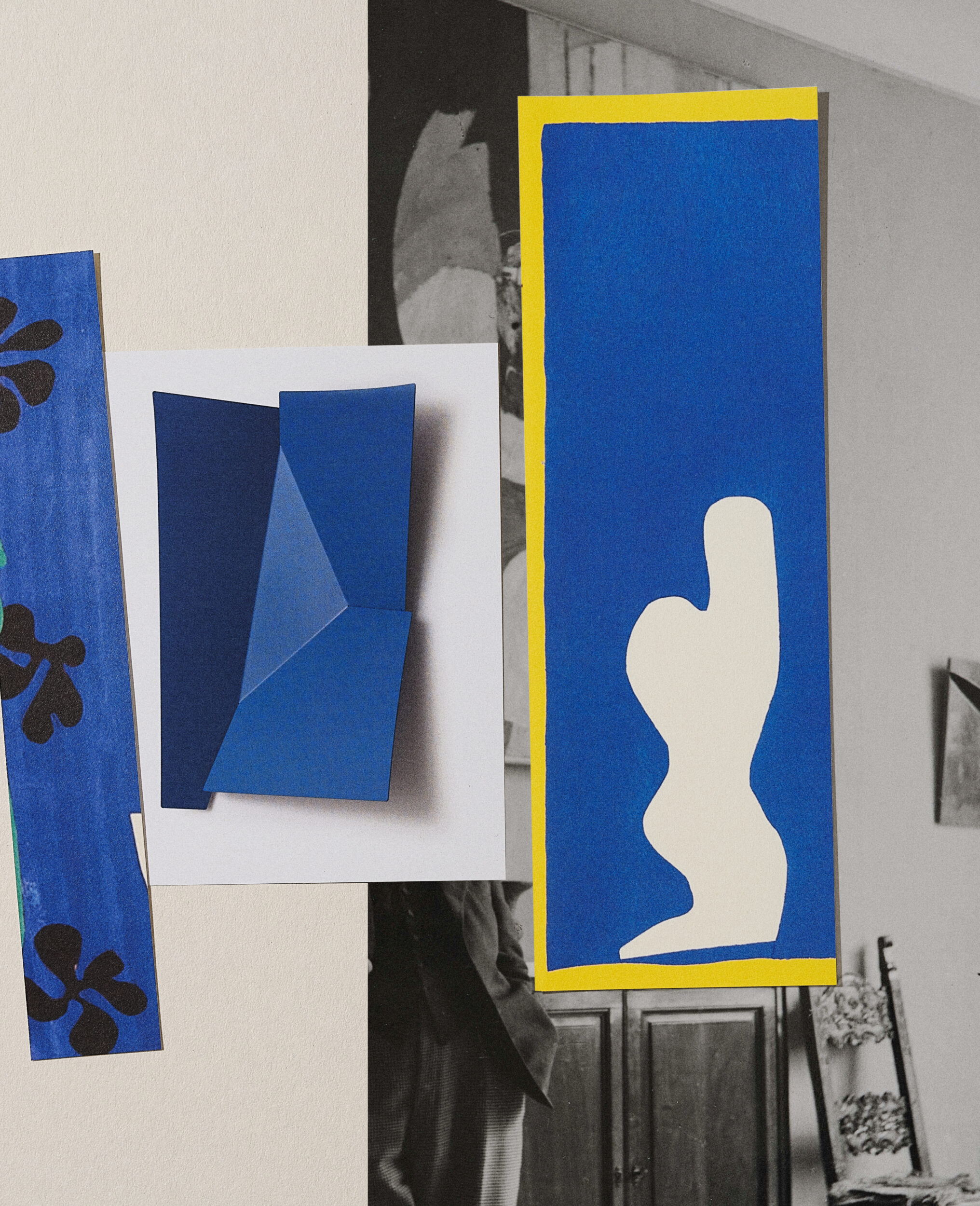
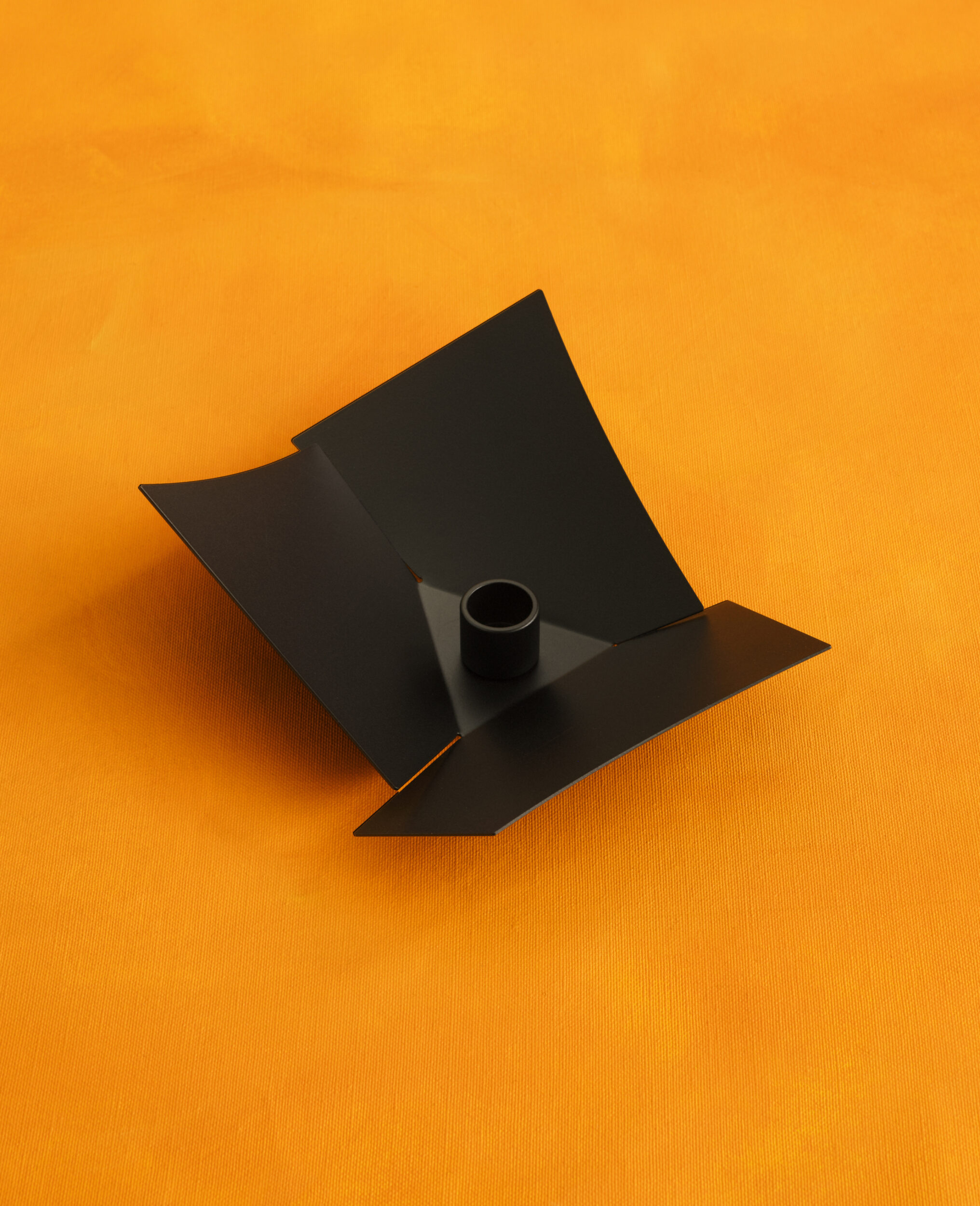
Les Mille et Une Nuits collection is the result of the collaboration between Maison Matisse and three designers: Guillaume Delvigne and the Italian duo Formafantasma.
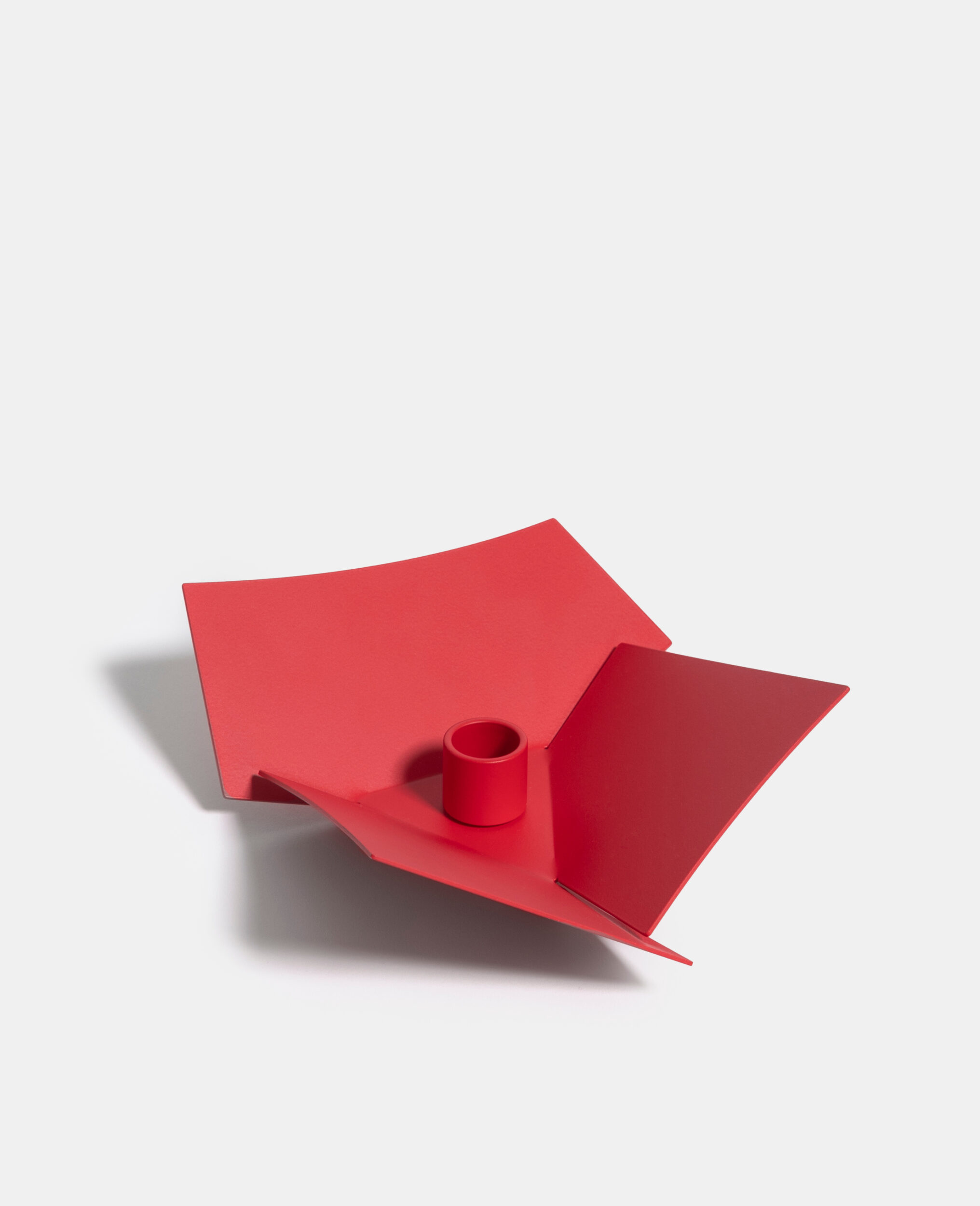
Here, Formafantasma’s aim is to explore the creative process of Henri Matisse. This has given rise to an original collection of pieces in folded metal. The duo has developed a series of abstract forms by cutting and folding paper, much as Matisse did in the early 1950s.
The Milan-based studio has explored the stylistic universe and composition of the work in order to reinterpret it in a contemporary language. The result is a sober, stripped-down interpretation of the artist’s creative process itself.
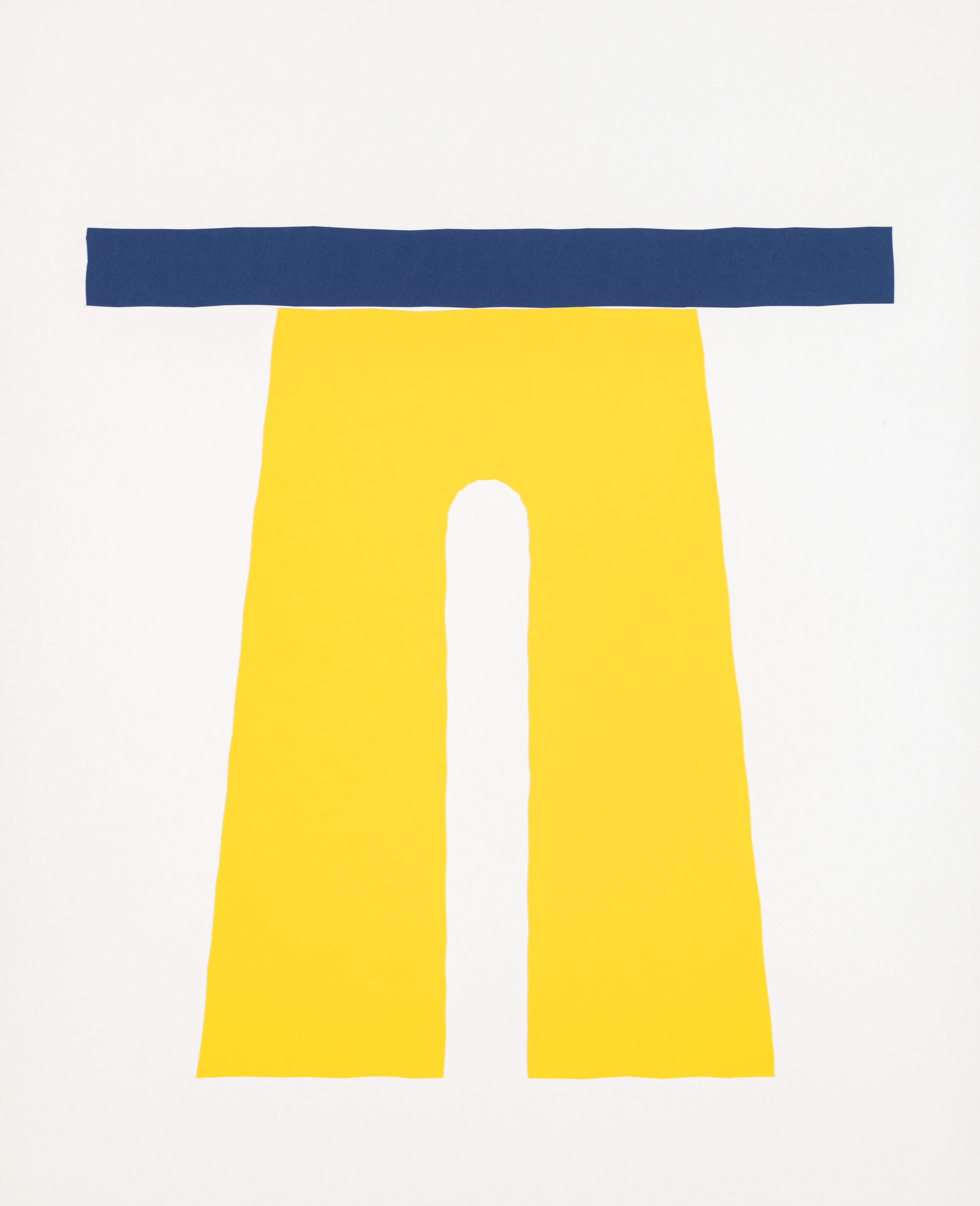
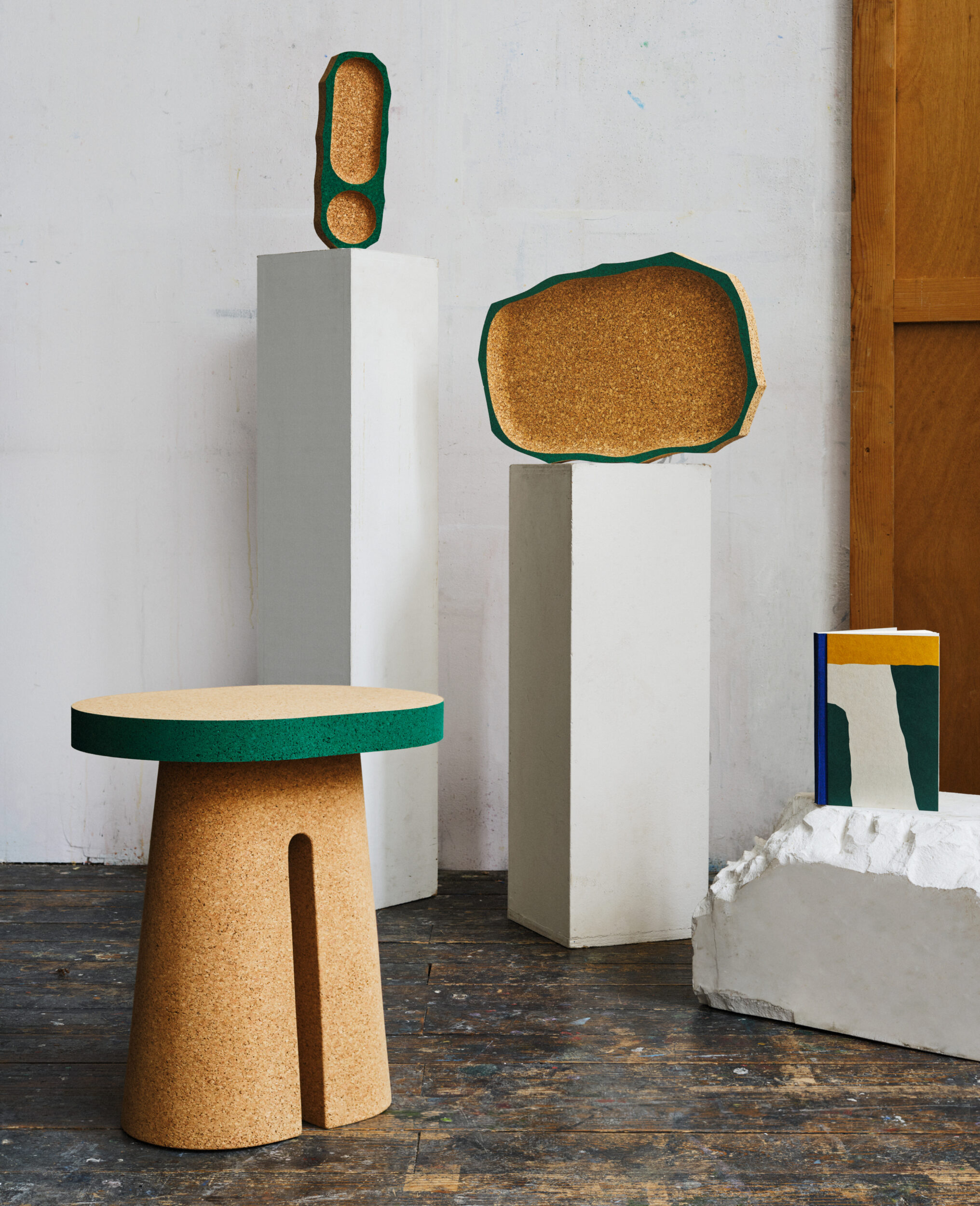
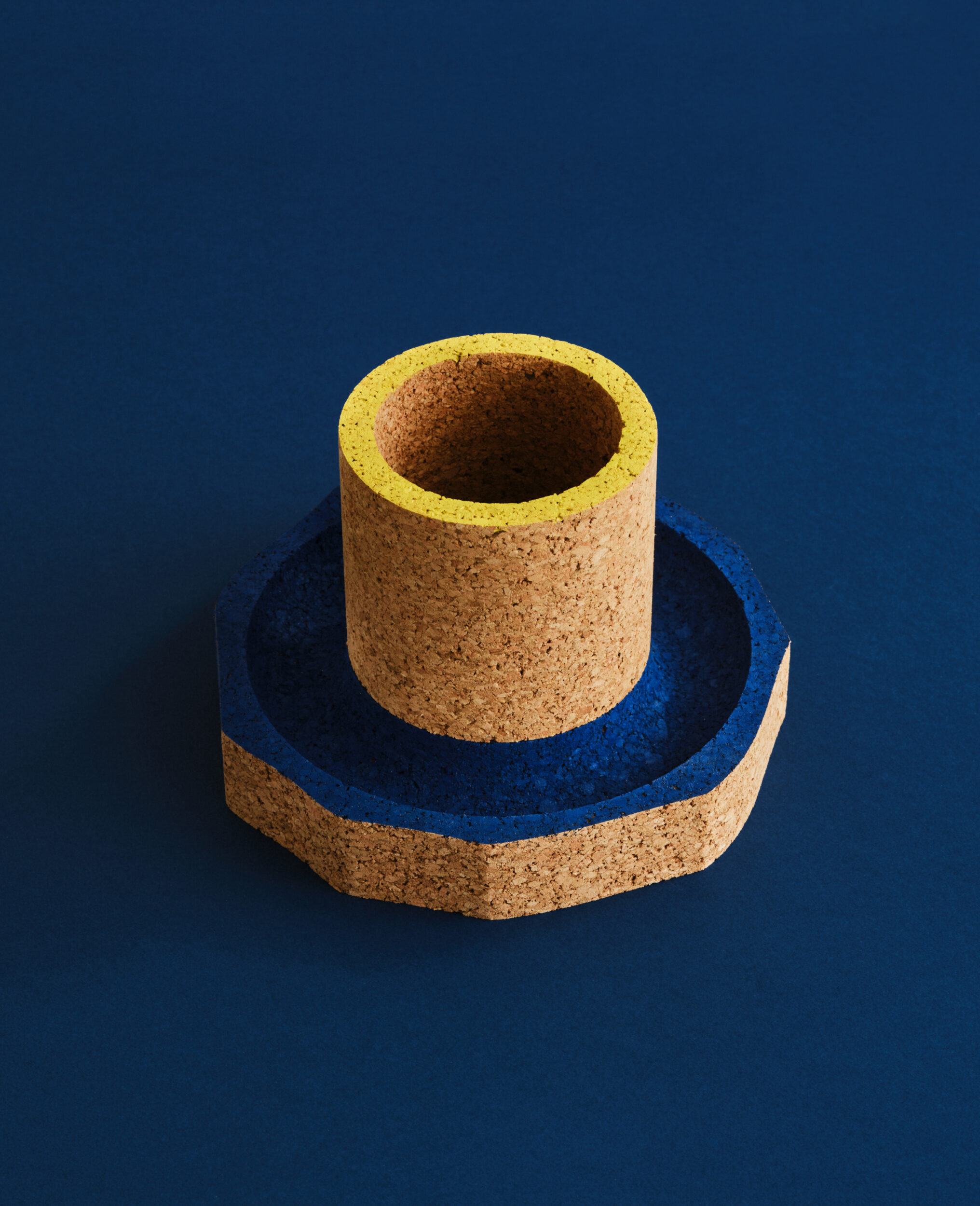
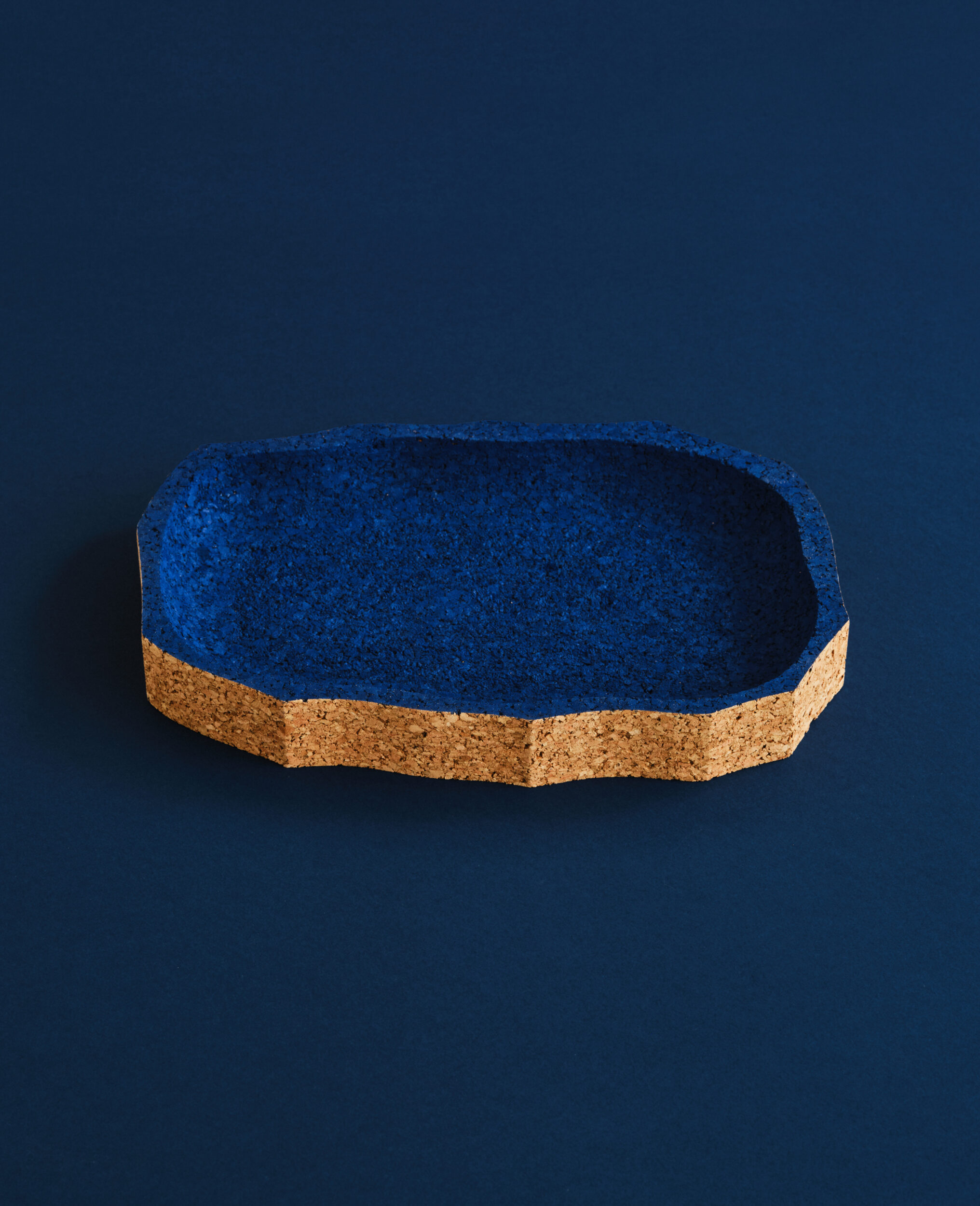
Designer Guillaume Delvigne has explored the art of cutting coloured paper and the use of shapes and counter-shapes to create a range of desk accessories for Maison Matisse made entirely from cork and hand-painted in Portugal.
Echoing the playful spirit with which Henri Matisse cut out gouache-painted paper and created a new form of expression, the objects can be paired or nestled together and combined depending on one’s inspiration. These three-dimensional creations thus reflect the artist’s cherished idea of the versatility of forms and objects. This joyful collection includes trays, organisers, shelves and a stool.
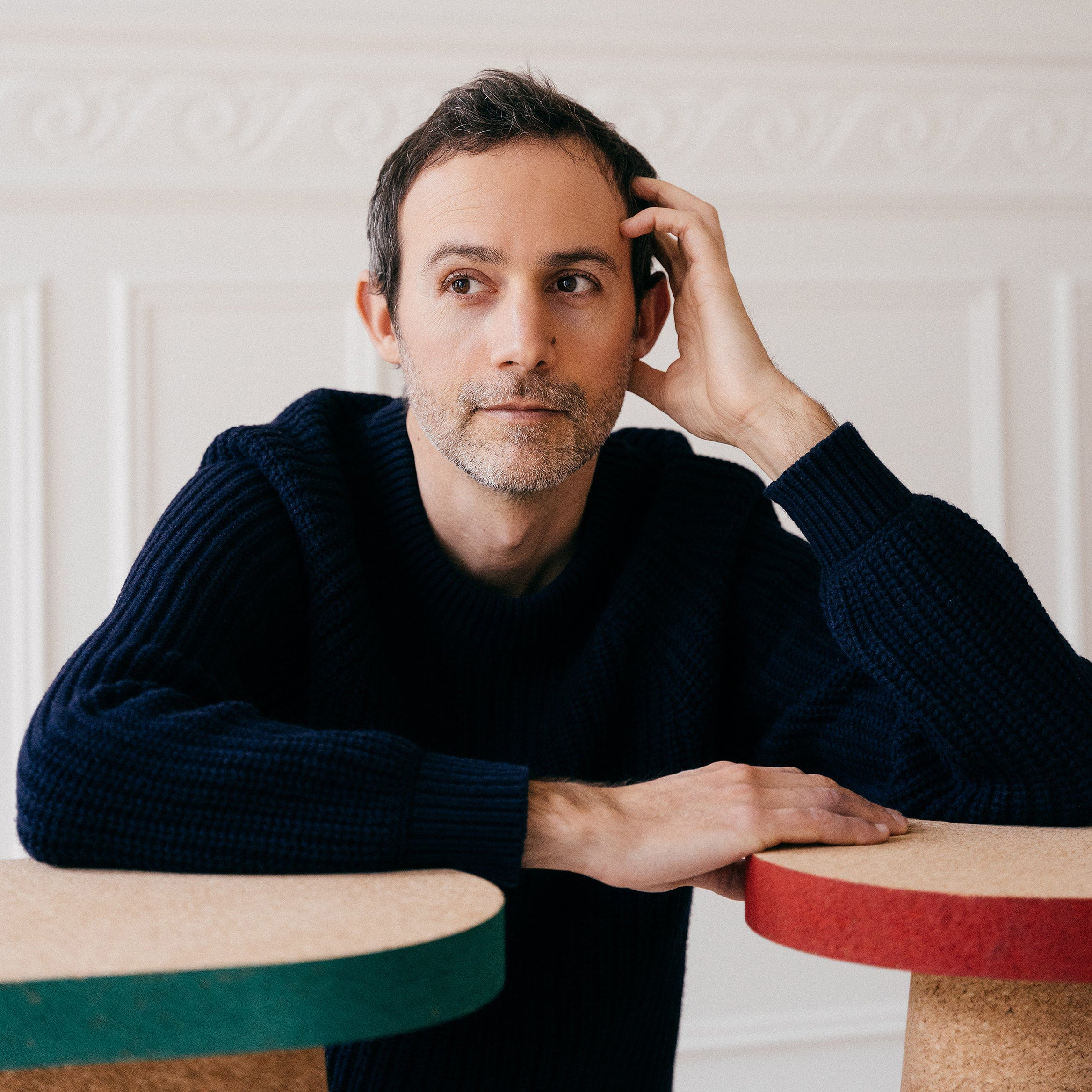
Born in 1979 in Saint-Nazaire, Guillaume Delvigne studied at Design Nantes Atlantique and at Politecnico in Milan. Graduating in 2002, he began his career alongside George Sowden, co-founder of the Memphis movement. At the same time he began designing his own objects, for the Italian editor Industreal, before rapidly catching the attention of Loïc Bigot from ToolsGalerie.
In 2005 he moved to Paris where he worked for several years for prestigious design companies such as the Radis Designers, Delo Lindo, Marc Newson, Elium Studio and Cédric Ragot.
In 2011 he opened his own studio, had his first solo exhibition at the ToolsGalerie and won the Grand Prix de la Création de la Ville de Paris. Evolving across fields as diverse as furniture, objects, lighting and interior design, he has worked with manufacturers, publishers and artisans. Today he heads numerous projects for the great French houses of Berluti, Hermès, Givenchy, Pierre Frey, Ligne Roset, Habitat, Lexon and Tefal.


Founded in 2009 by Italians Andrea Trimarchi and Simone Farresin, the studio of Formafantasma champions design that embodies ethical values and a systemic approach. They rethink our environments through transformative interventions that draw on the material, technical, social and conceptual dimensions of design.
Based in both Milan and Rotterdam, they explore a wide range of practices: products, spaces, strategy and consultancy. Their work, characterised by a strong visual identity, examines contemporary issues. By combining commercial commissions with independent projects, they have developed dual expertise: that of industry and that of environmental activism, highlighting design’s historical responsibility in today’s crises.