Fold
Fold
“I hope that however long we live, we shall die young.”
Letter to André Rouveyre, 4 April 1950.
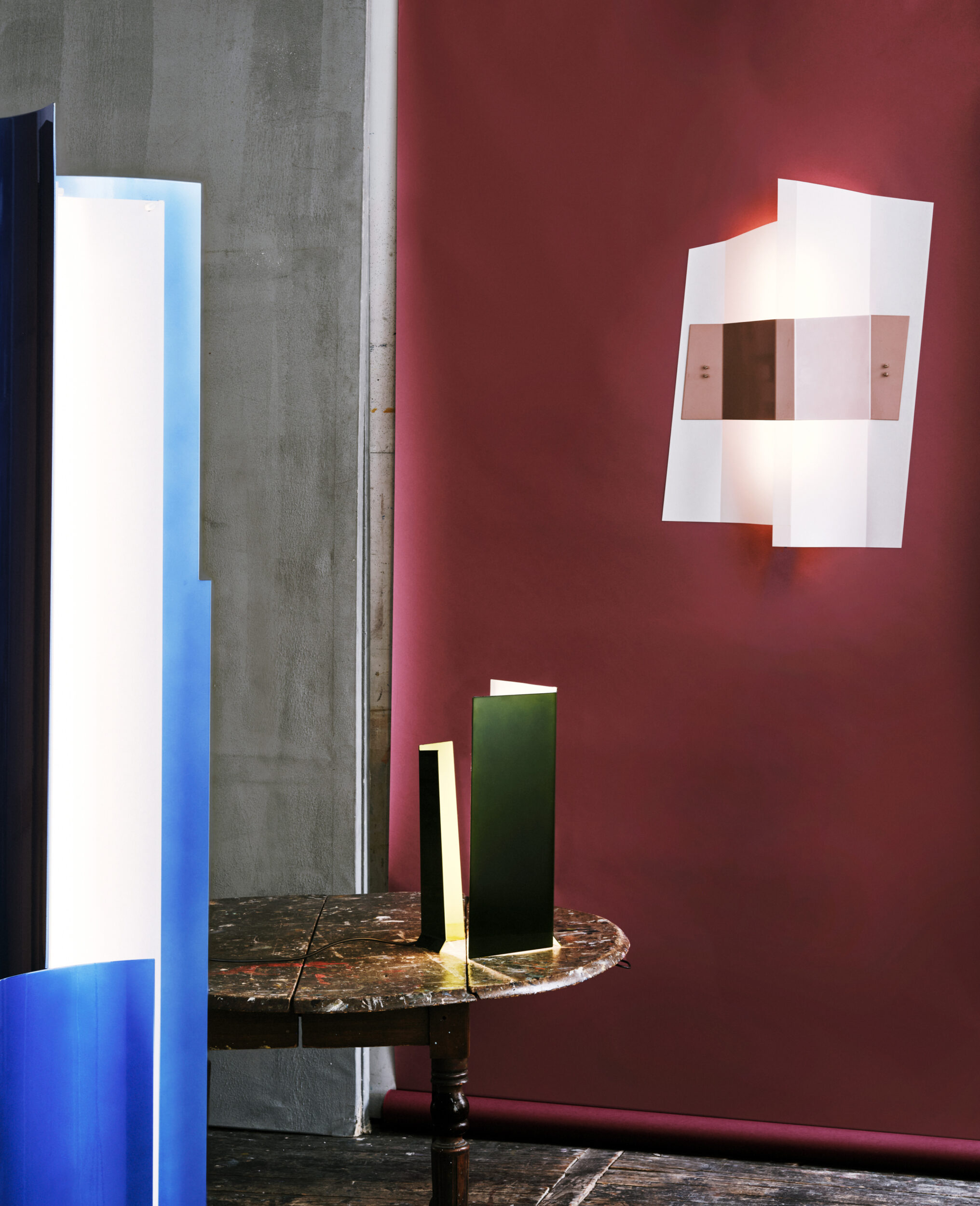
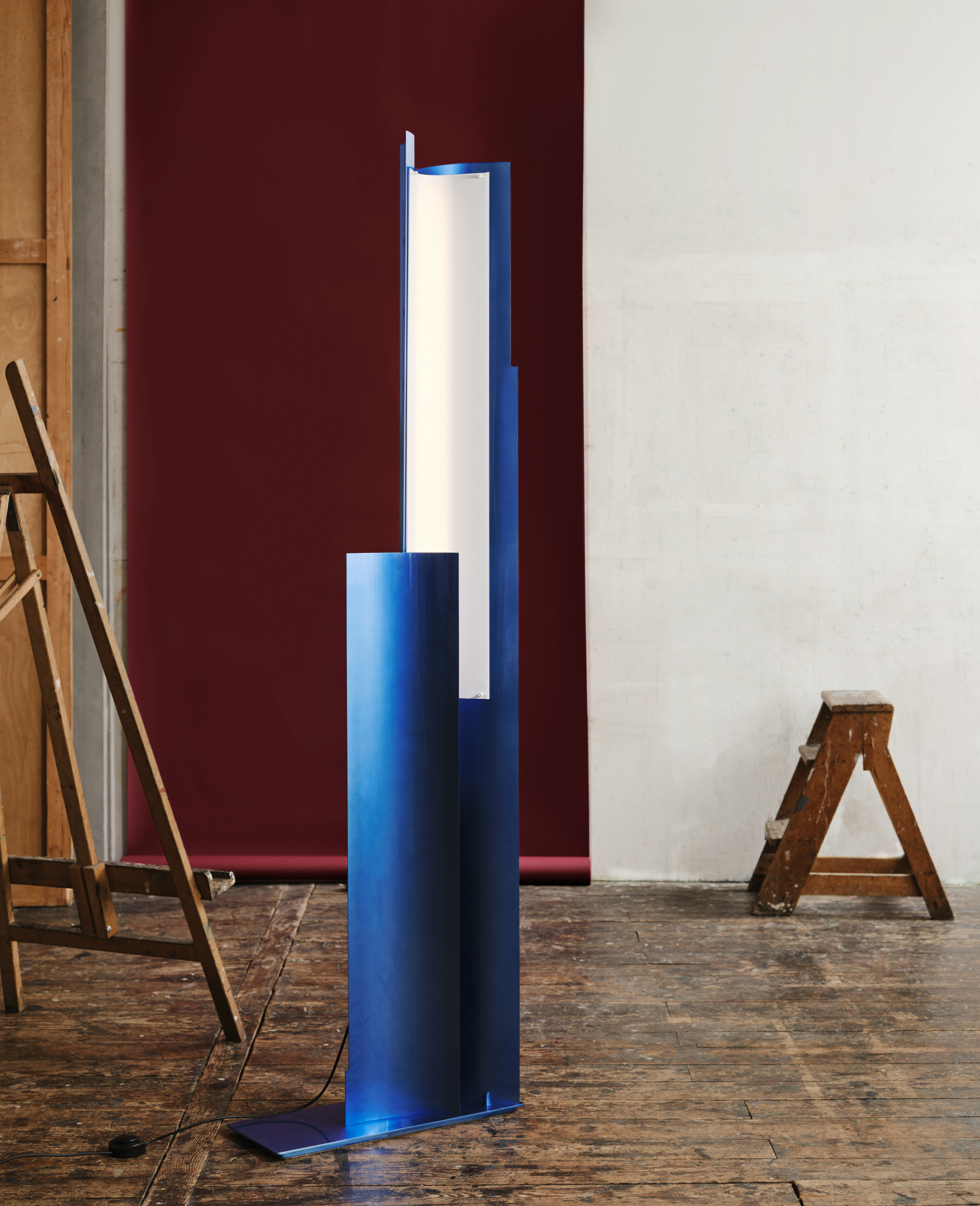
The Italian design duo Formafantasma celebrates, with Maison Matisse, Henri Matisse’s ‘second life’, a period that began in 1941 following a serious operation, by launching a limited-edition collection of lighting fixtures.
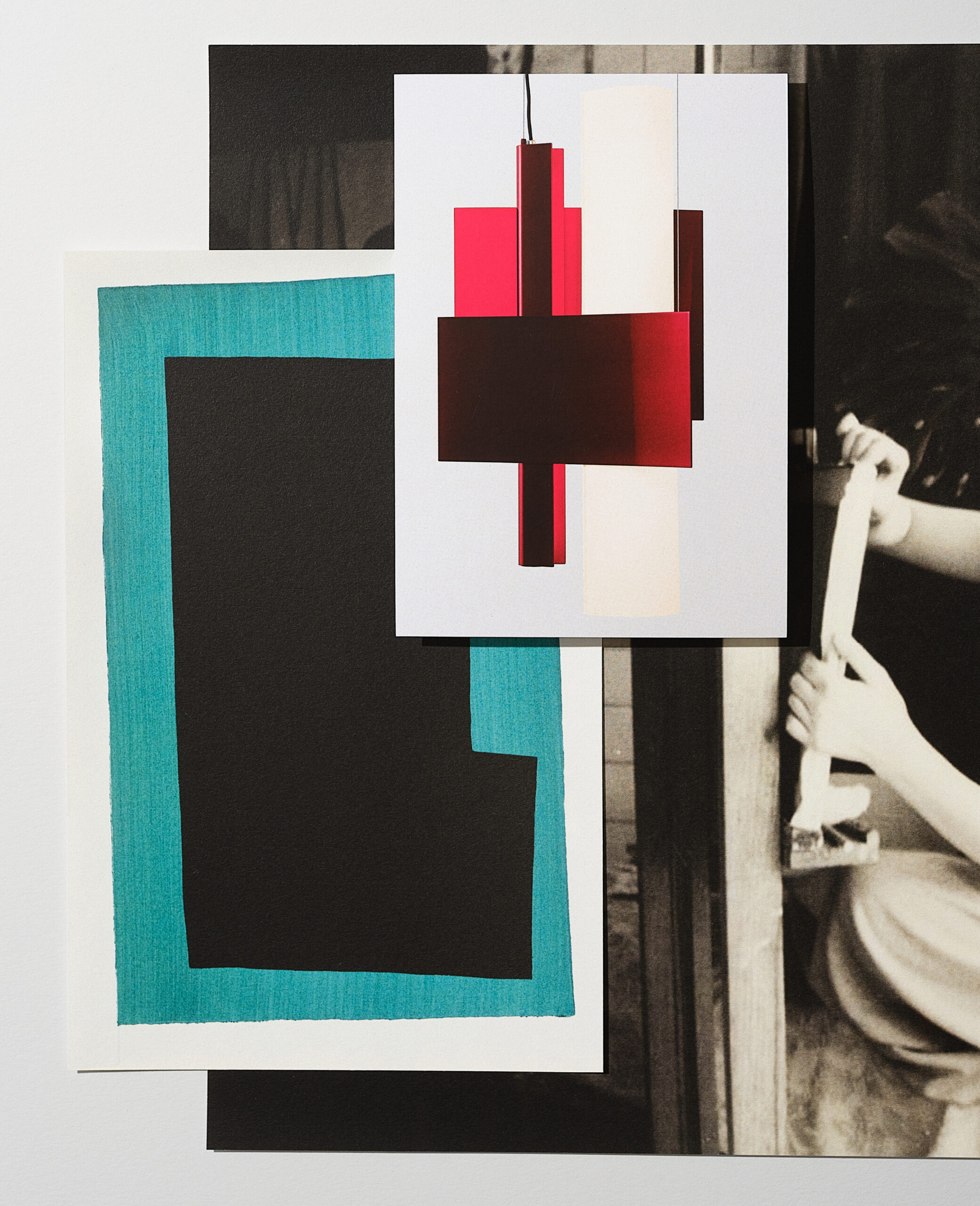
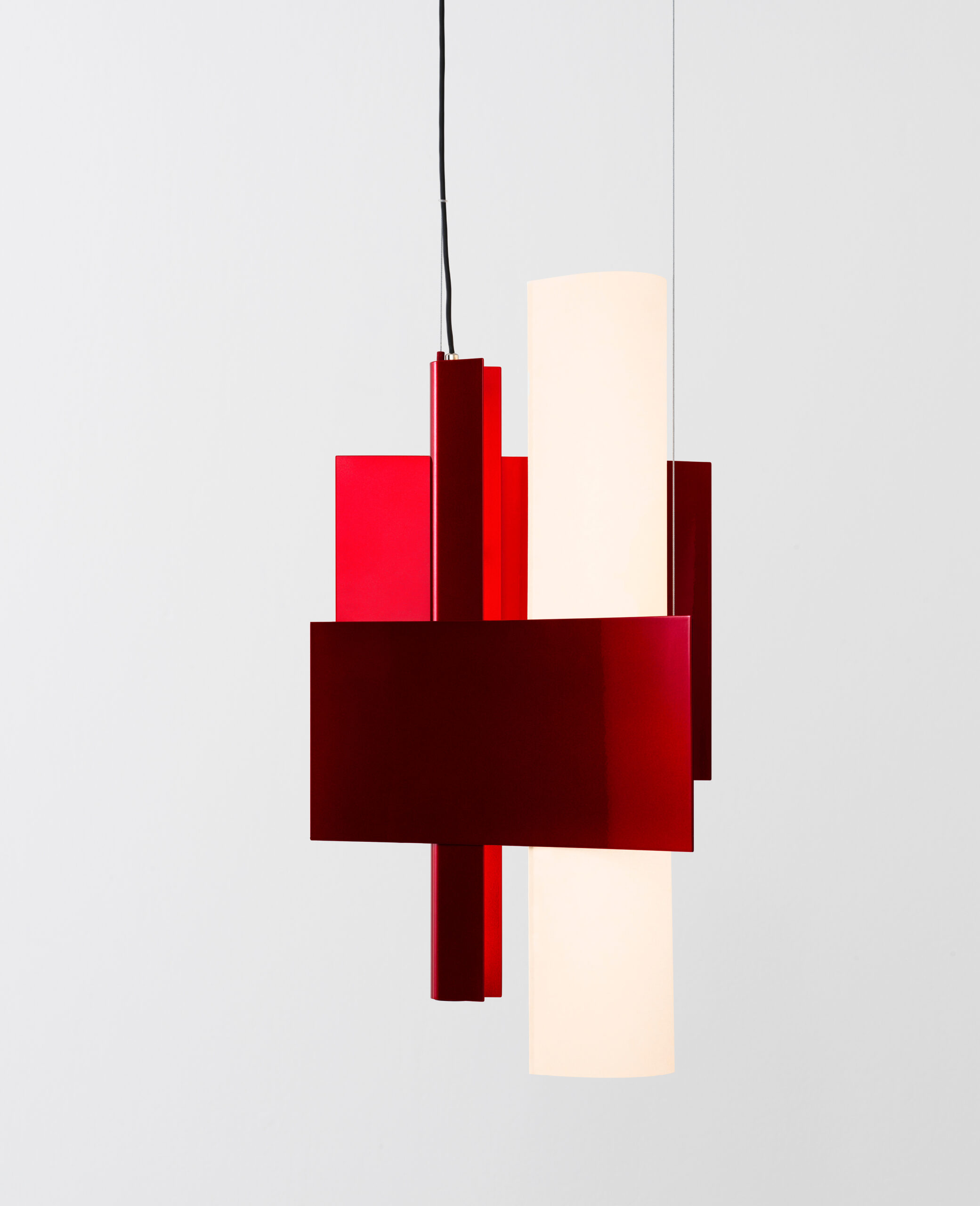
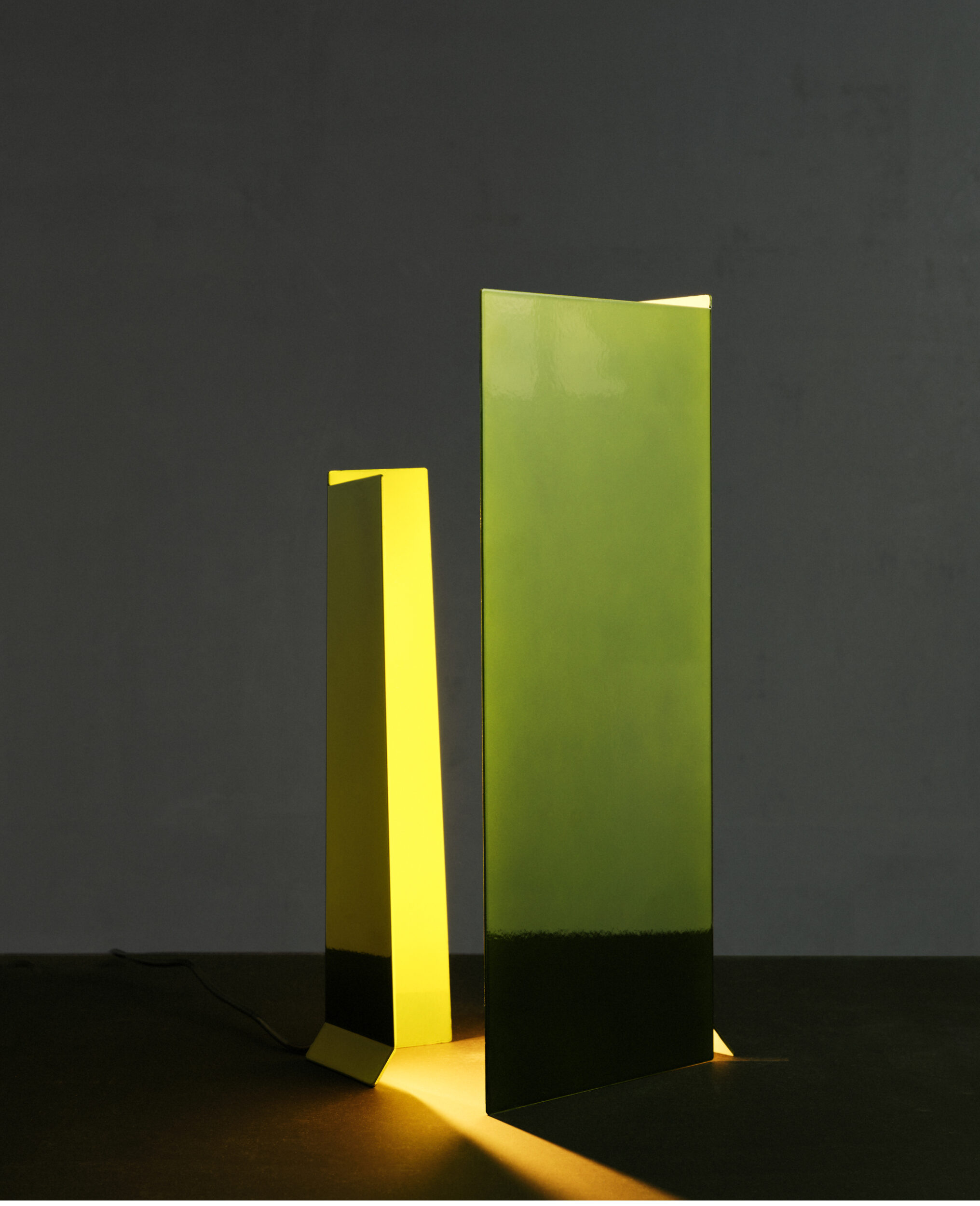
Inspired by the paper cut-outs, as well as by light, symbolising the painter’s rebirth following his illness, Andrea Trimarchi and Simone Farresin have created a series of vibrant and bold lighting fixtures for Maison Matisse.
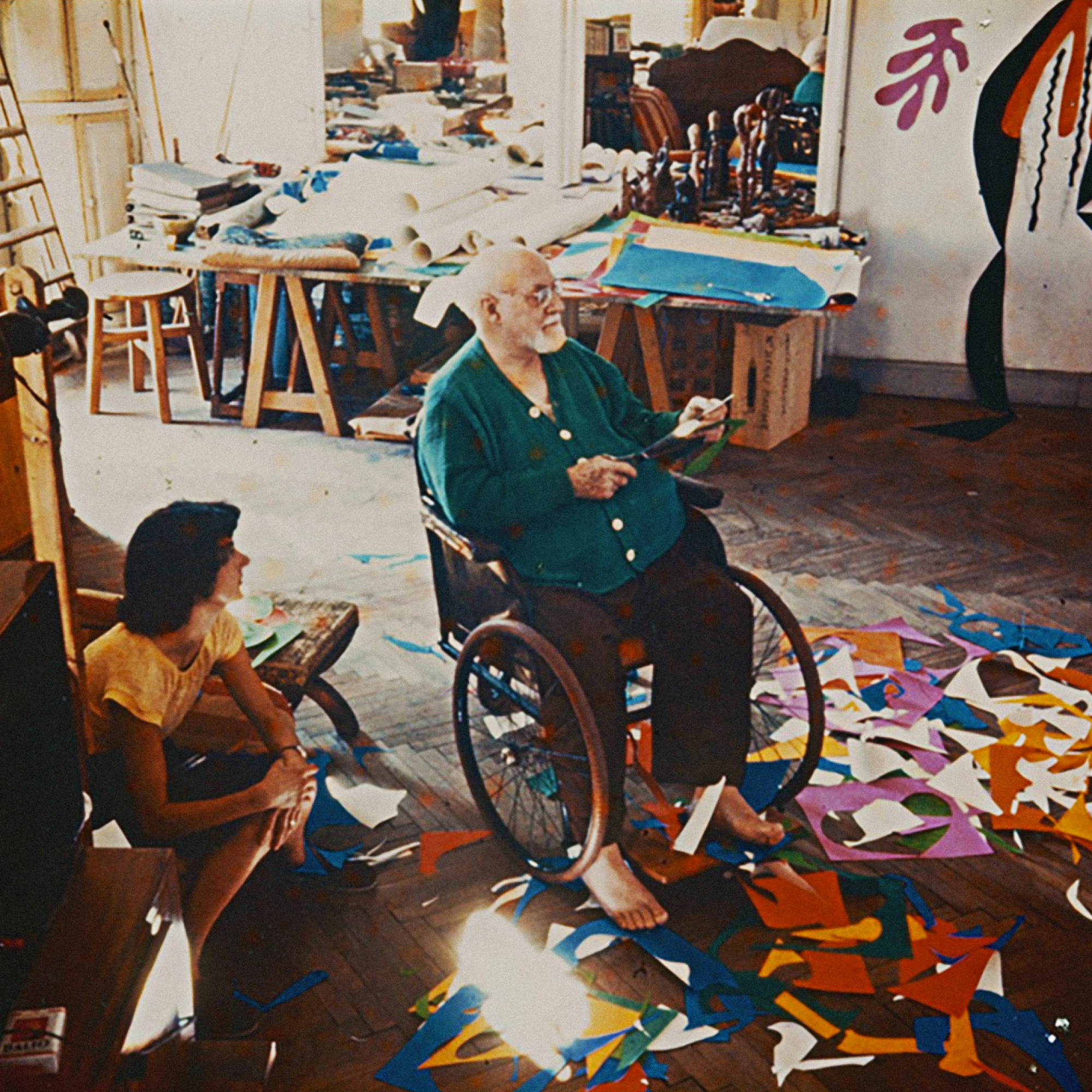
Lydia Delectorskaya, Henri Matisse découpant dans l’atelier du Régina à Nice, vers 1952 © Archives Henri Matisse
The artist, who considered his recovery to be a miracle, felt his creativity unleashed. He decided to devote this ‘second life’ that had been granted to him to completing his oeuvre, developing the technique of cut-out gouache papers – a major innovation that would allow him to ‘sing at the top of his voice’.”
“We have always been fascinated by the exploratory nature of Henri Matisse’s work, and in particular by his use of cut-out paper to study shapes and colours.” In the manner of Henri Matisse, who used scissors to cut paper, Formafantasma used a ruler and a blade. They then folded the paper to achieve the final shapes of the lamps. The initial models, created to scale, thus gave rise to the Fold collection, which boldly mixes paper with sheets of lacquered metal.
Founded in 2009 by Italians Andrea Trimarchi and Simone Farresin, the studio of Formafantasma champions design that embodies ethical values and a systemic approach. They rethink our environments through transformative interventions that draw on the material, technical, social and conceptual dimensions of design.
Based in both Milan and Rotterdam, they explore a wide range of practices: products, spaces, strategy and consultancy. Their work, characterised by a strong visual identity, examines contemporary issues. By combining commercial commissions with independent projects, they have developed dual expertise: that of industry and that of environmental activism, highlighting design’s historical responsibility in today’s crises.