1869
1869
Four international designers immersed themselves in the painter’s world, all the while keeping their own distinct identities, to produce a series of nine ceramic pieces that reveal what Henri Matisse meant to them 150 years after his birth.
By bringing together different perspectives, cultures and practices within a single collection, Maison Matisse is also fulfilling one of its aspirations: to expand its family and write a cosmopolitan story. These designers’ inspirations bear witness to the richness of these different perspectives.
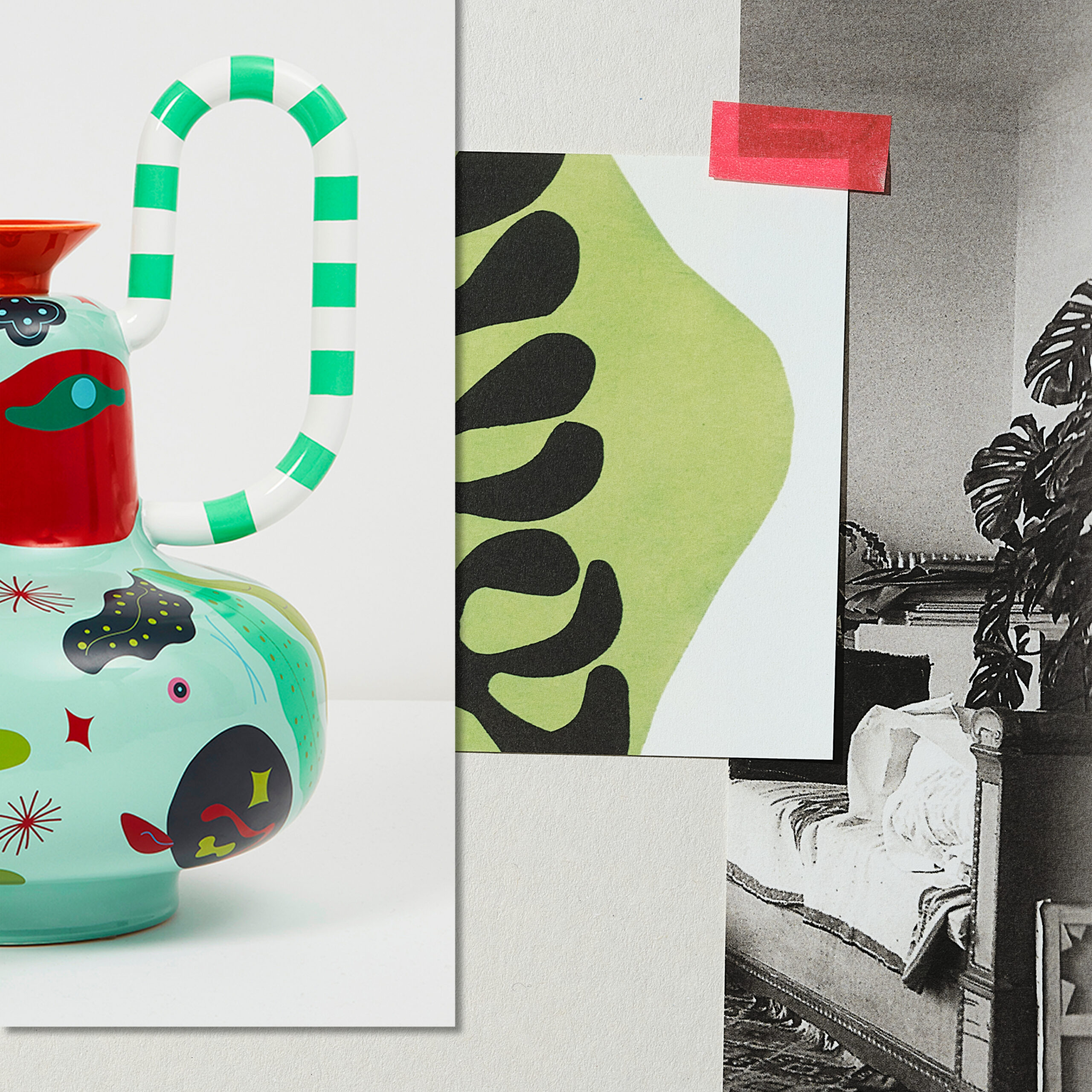
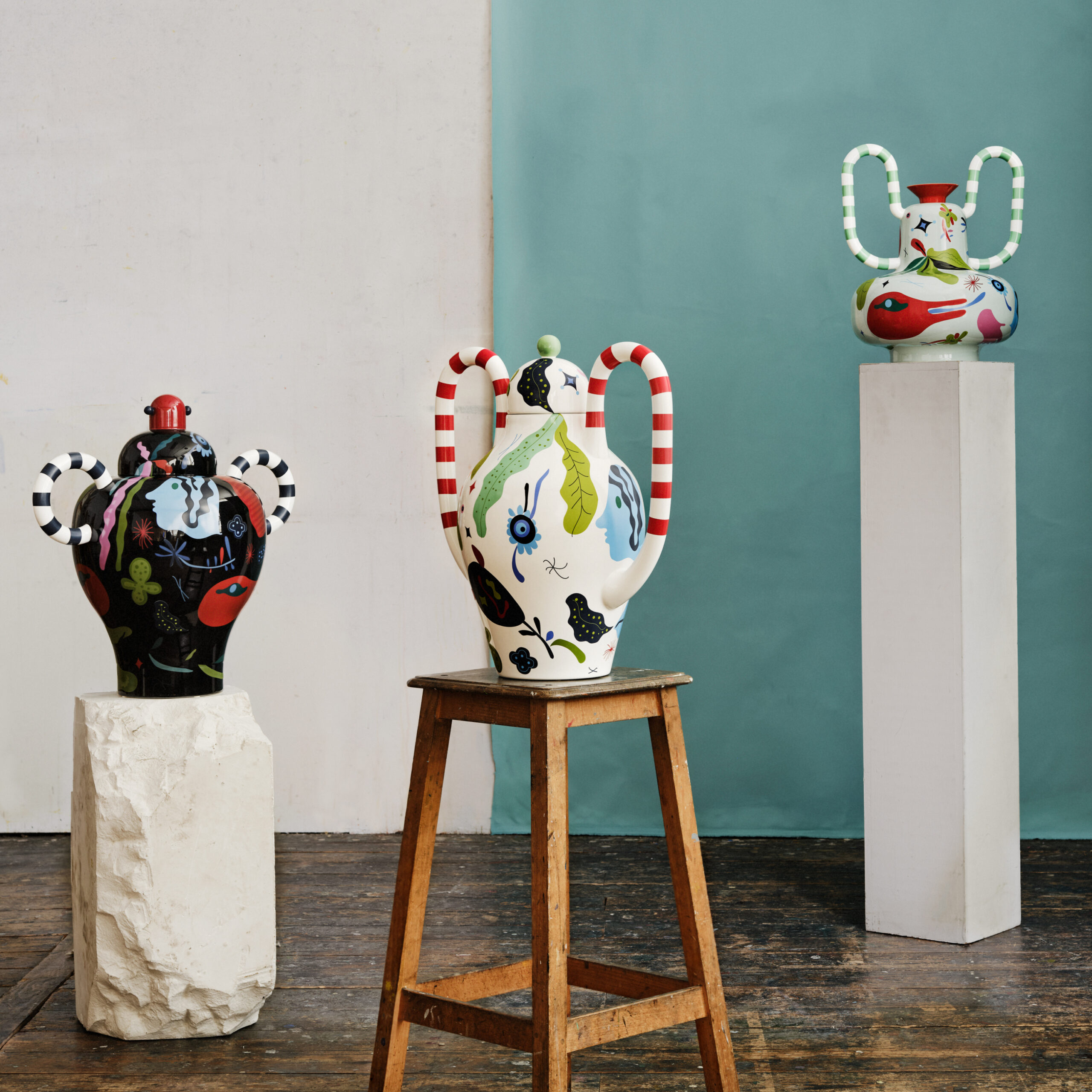
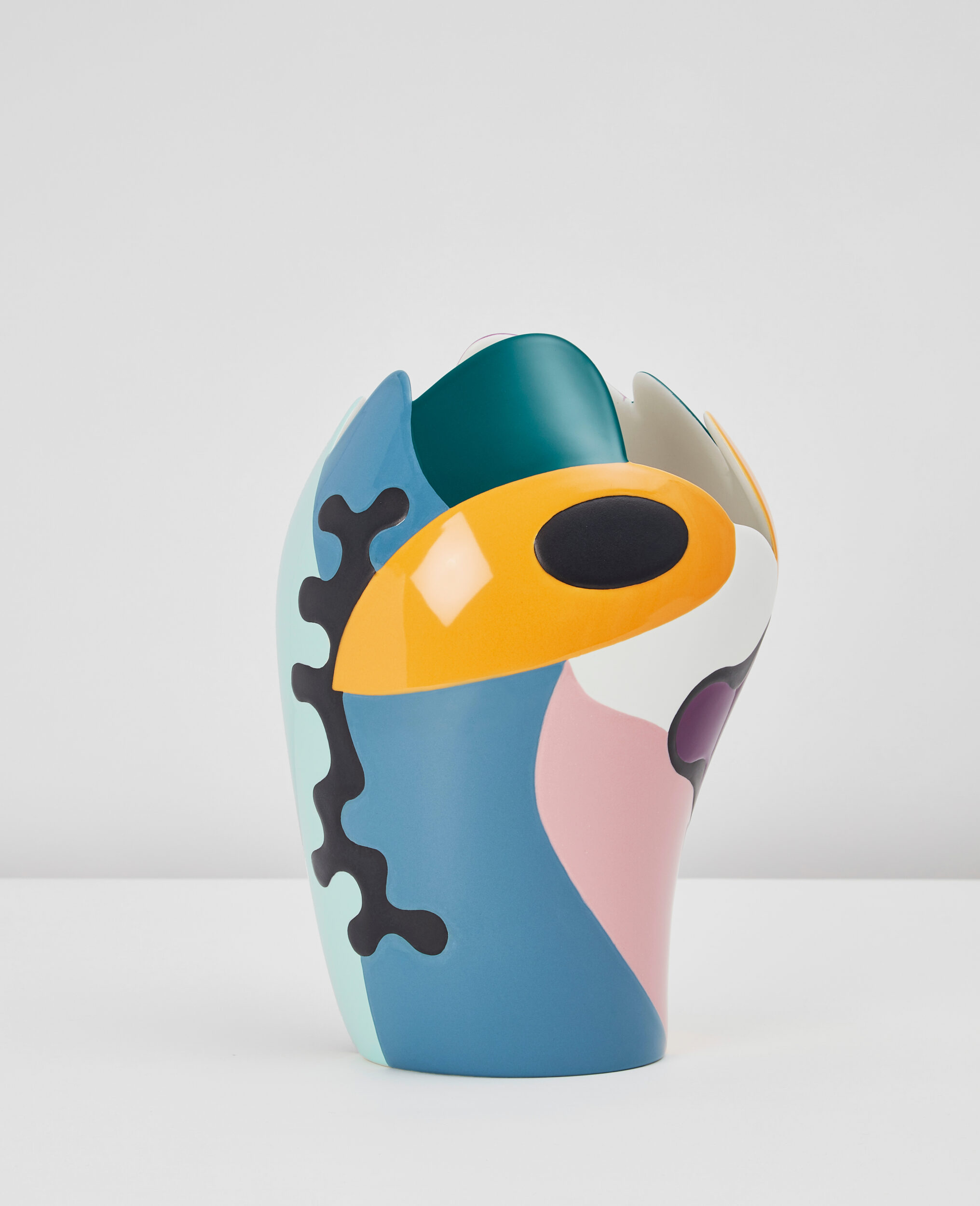
A leading figure of the Memphis movement, Alessandro Mendini applied his mastery of colour while drawing inspiration from Henri Matisse’s formal repertoire. Alongside him, designer Jaime Hayon, finding inspiration in nature and a fantastical marine world, returned to ceramics with undisguised passion, whilst Ronan and Erwan Bouroullec saw this collaboration as an opportunity to express, through a reinterpretation of the idea of the open window—a pictorial theme dear to Henri Matisse—their admiration for the sensuality of the painter’s work.
For all enquiries regarding items from the 1869 collection, please contact the Galerie Negropontes directly.
“One of the things I admire most about Matisse’s work is his use of colour – so seamlessly integrated, so distinctive, and employed in such a magical way. It reflects both the influences of different cultures and the dynamic, rich journey of a unique life.”
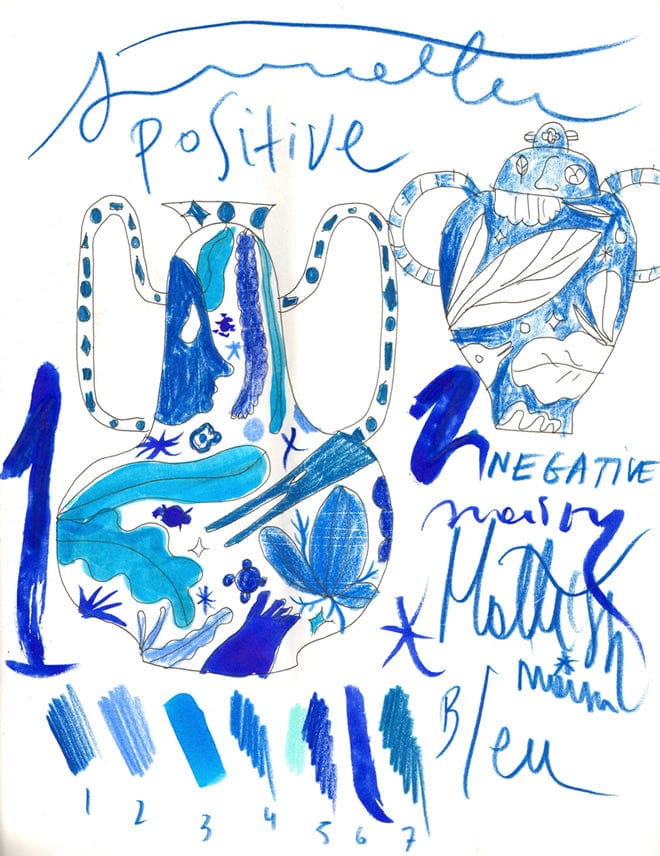
“The most important thing I feel I share with Matisse is a passion for the Mediterranean: its nature, the sea, the imagination and the ability to dream.”
“The choice and use of blues and oranges remind me of the medinas – the orange blossoms and the markets of North Africa. Codes such as these transport me to a Mediterranean brimming with power and magic. I am a fervent admirer of his style and have always found it a true source of inspiration. Having the opportunity to transpose the inspiration I find in his work into my own personal cosmography has been deeply enriching.”
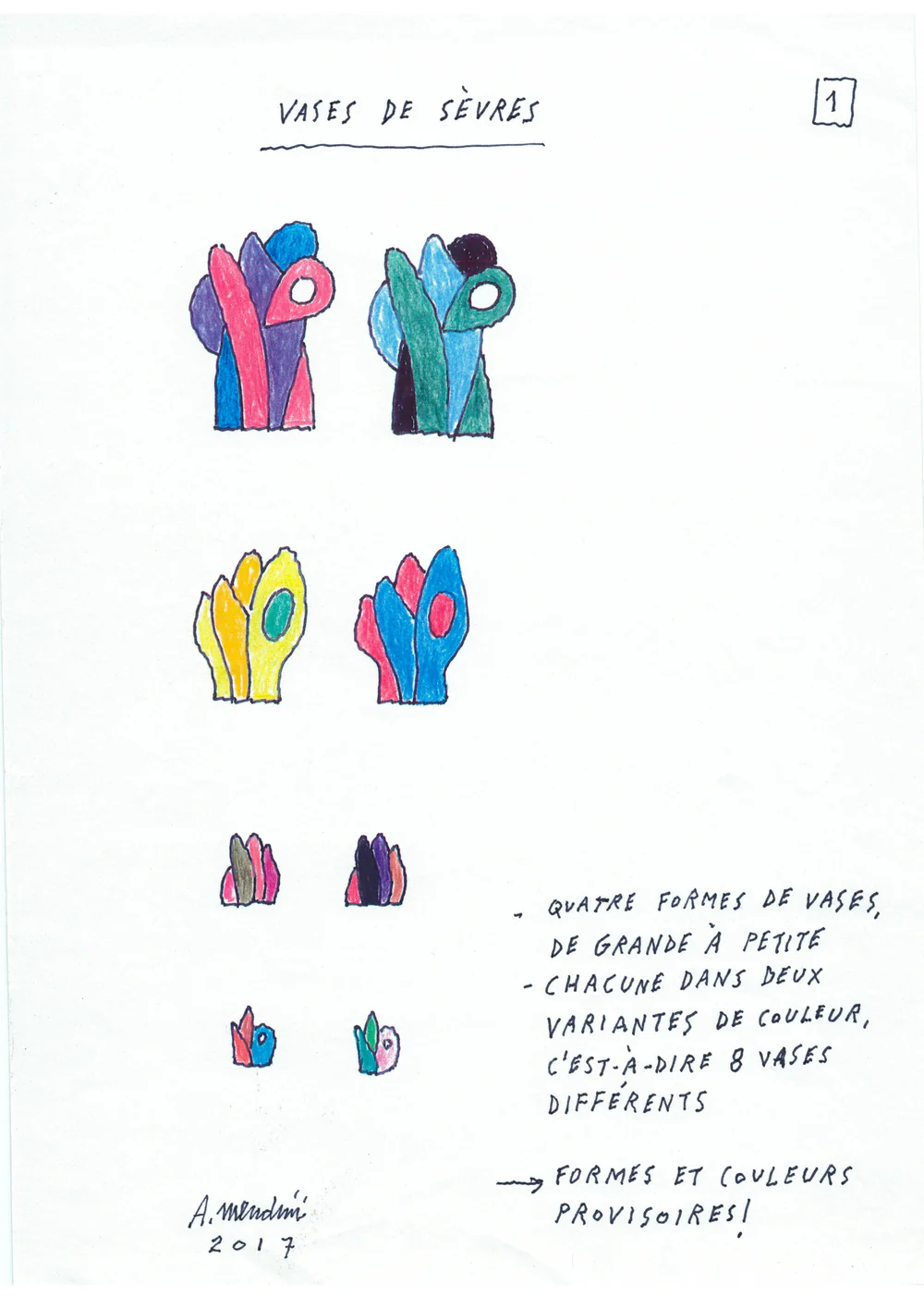
“If I close my eyes and think of Henri Matisse, the first word that springs to mind is purity, and the second is light. Matisse is a pure, radiant and all-encompassing spirit and painter.”
“For me, the elements on which he worked and through which he gave free rein to his imagination are the leaves of plants in their vases, living spaces with their furniture and objects, women both naked and clothed, all interwoven within a decorative spatiality adorned with arabesques. Any connection, any empathy between the figurative world of this great figure and myself could only stem from an object, and more specifically from a vase.”
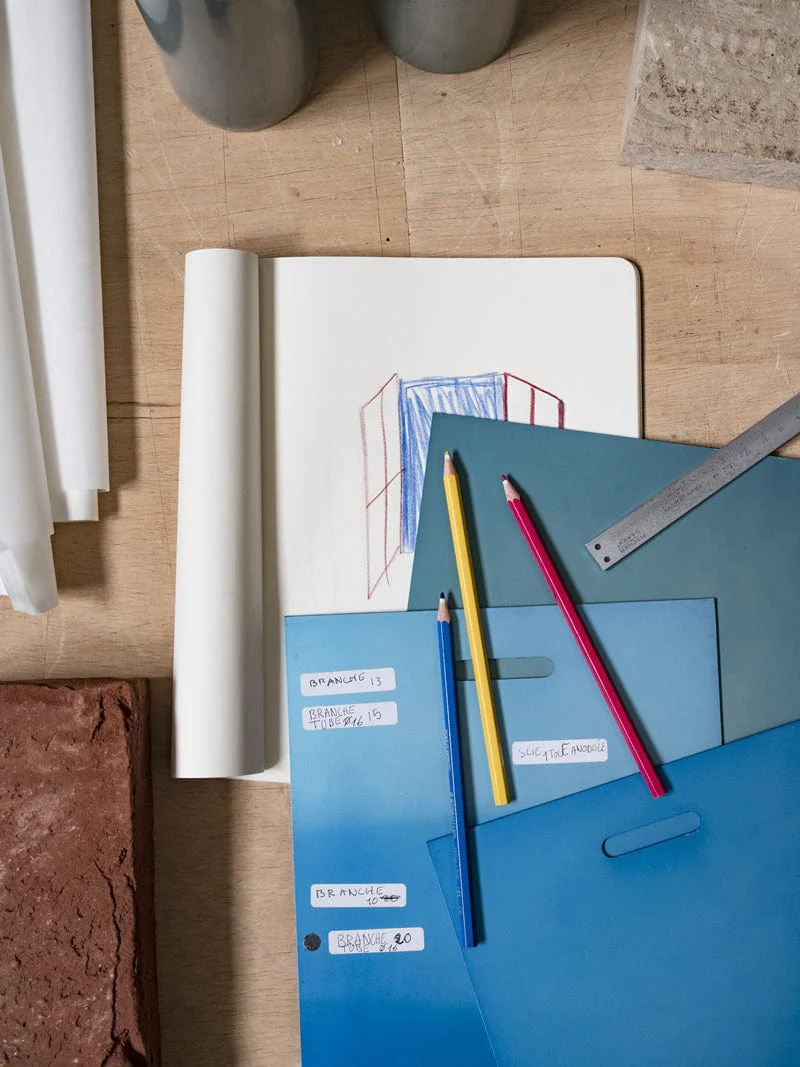
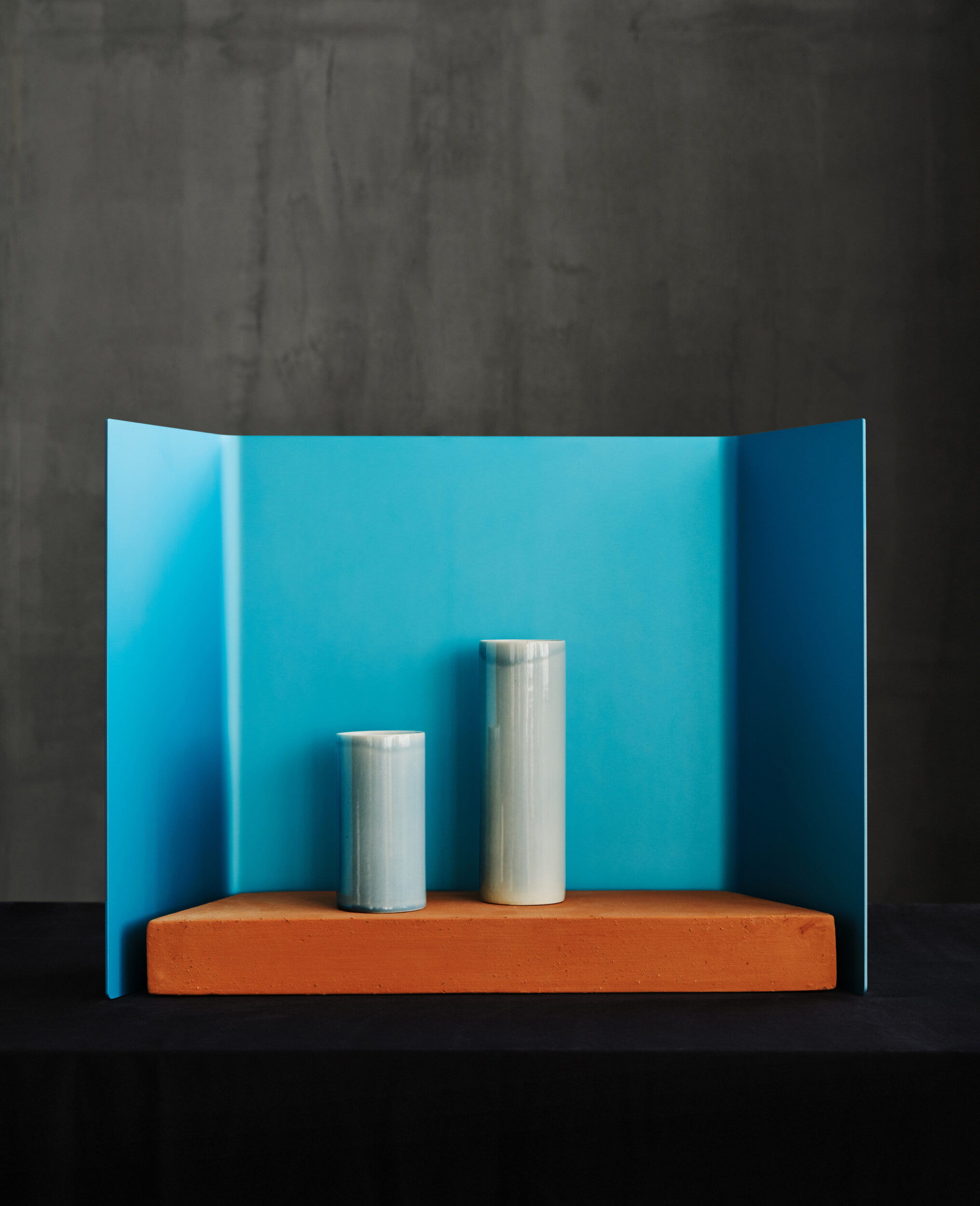
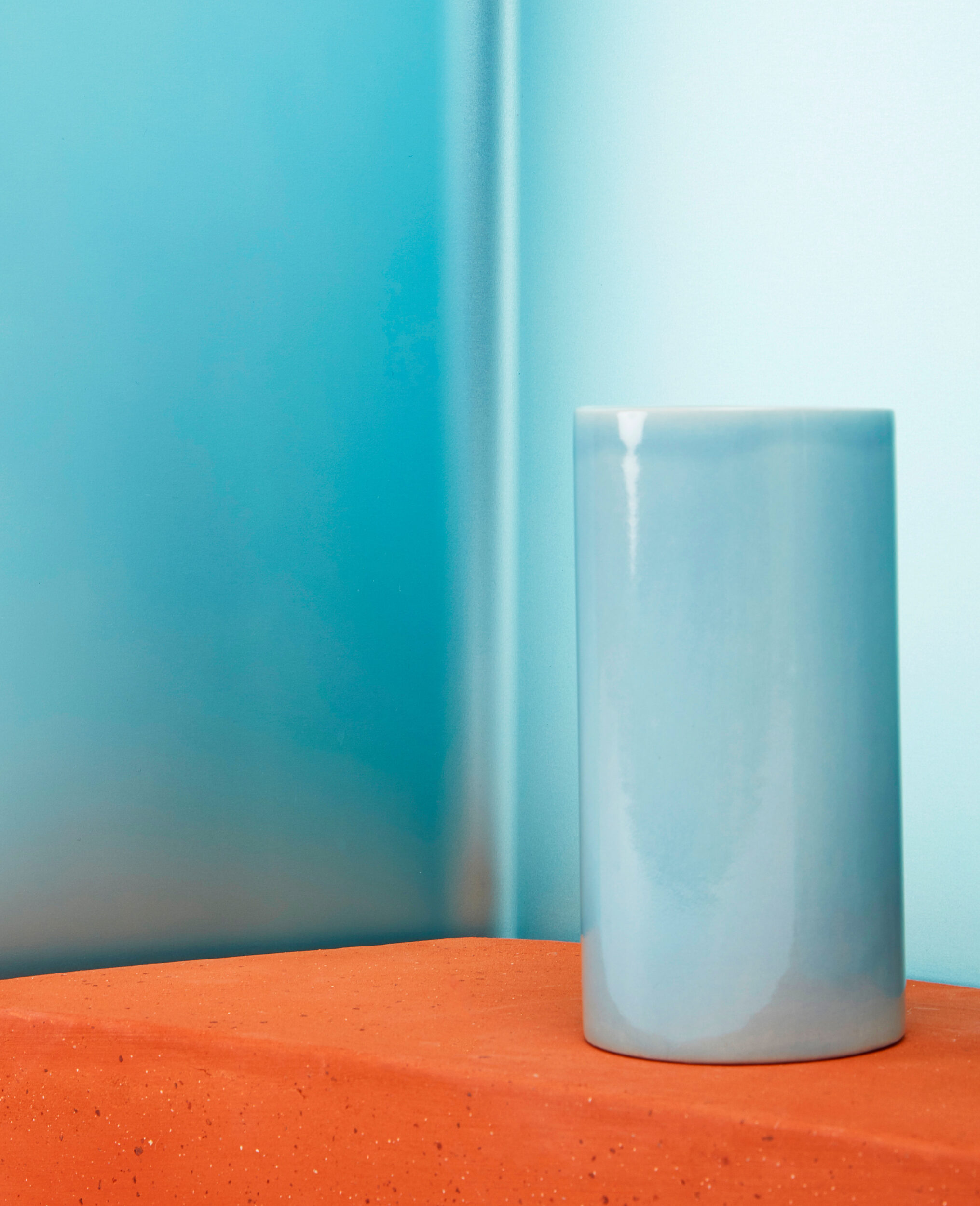
“This series of vases captures the idea of a window opening onto the outside world, a pictorial theme frequently found in Matisse’s work.”
“This assemblage of forms and materials creates a vibrant whole, an interior scene opening onto a landscape of dazzling light.
To recreate the image of a window through which a landscape can be glimpsed, terracotta, anodised aluminium and glazed ceramic have been combined in a trio of forms.
The anodised aluminium plate, shimmering in the light, becomes a blue sky. The windowsill takes the form of a terracotta brick. A glazed ceramic cylinder is there to receive freshly cut flowers.”
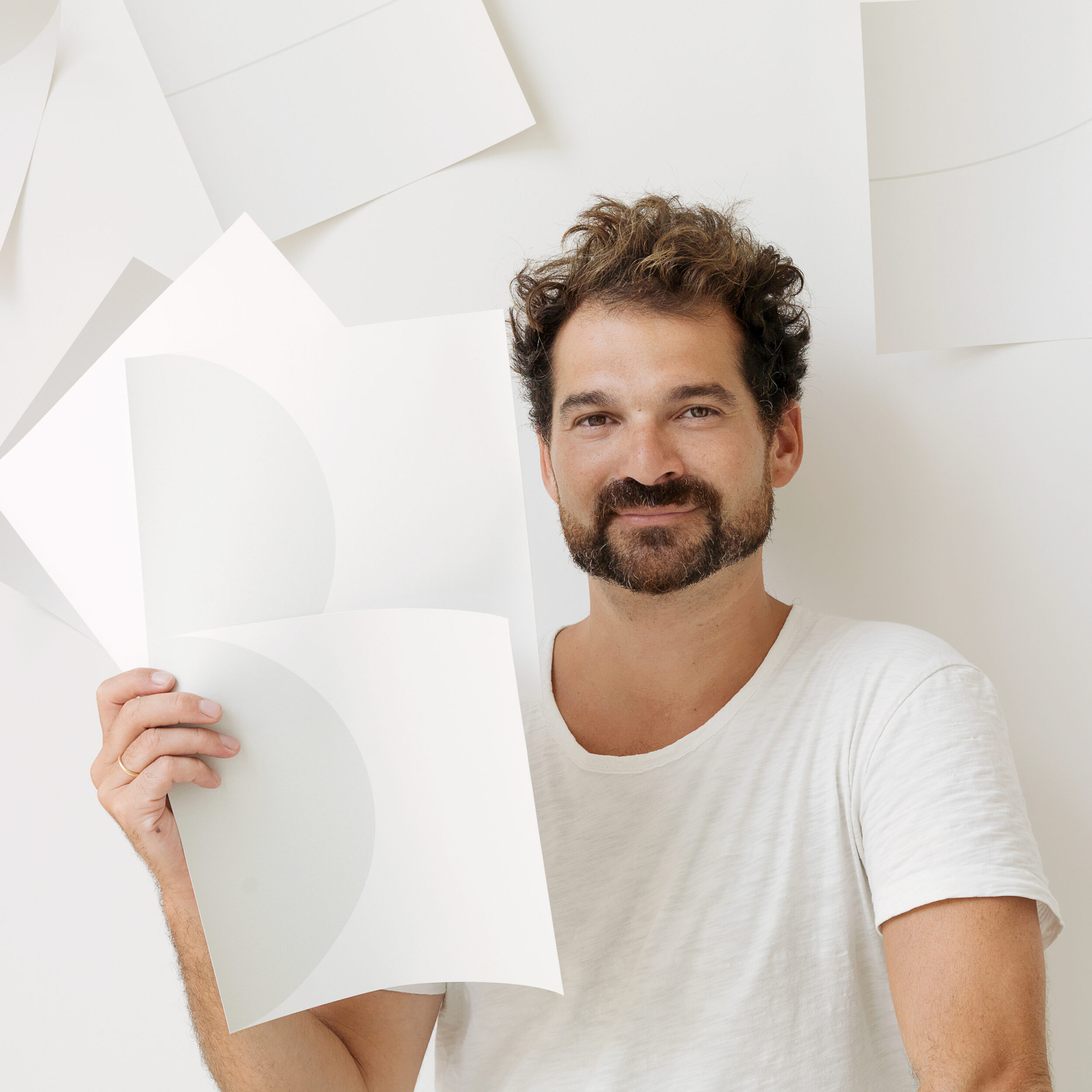
Jaime Hayón embodies the creative energy of contemporary design. After studying industrial design in Madrid and Paris, he founded his own studio in 2004. His aesthetic, which is at once playful, baroque and sophisticated, blends exceptional craftsmanship, pop culture and historical references.
His creations are characterised by generous curves, vibrant colours and narrative details. Collaborating with prestigious brands, he reinvents everything from vases to chairs, such as his Showtime (2007) and Frog (2015). Influenced by surrealism and street art, Hayón blurs the boundaries between art and functional objects. His pieces, exhibited in major museums (MoMA, Victoria & Albert), celebrate joy and the imagination.


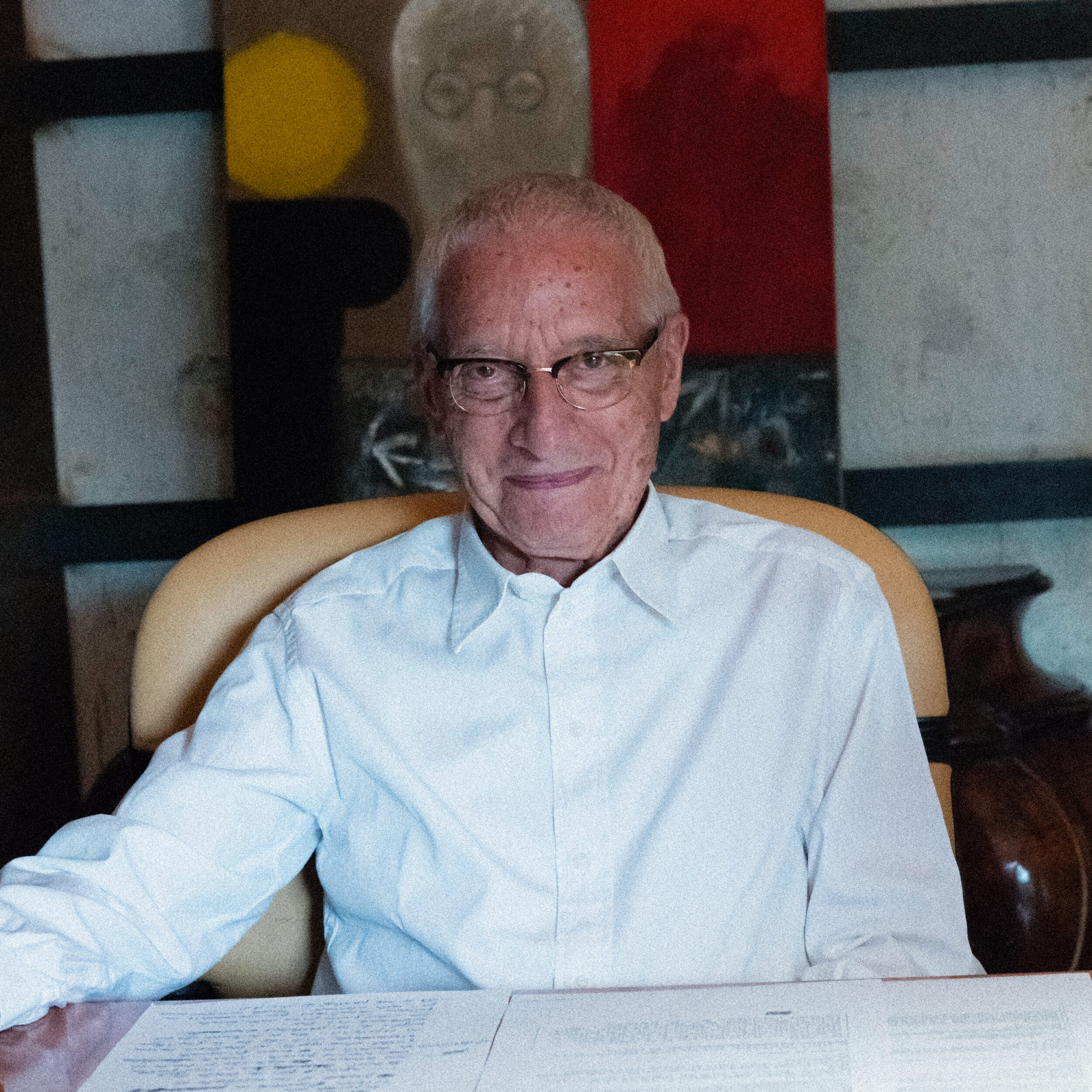
Alessandro Mendini (1931–2019) revolutionised 20th-century aesthetics through his radical and humanist approach. Trained in Milan, he became involved in Radical Design, rejecting functionalist dogmas in favour of a form of art that was socially engaged, poetic and often ironic.
Co-founder of Atelier Mendini and editor of the magazines Casabella and Modo, he developed the theory of ‘re-design’: repurposing everyday objects (such as his famous Proust Chair, 1978) to reveal their hidden beauty. His creations, with their bright colours and geometric shapes, blend craftsmanship, industry and art, featuring notable collaborations (Alessi, Kartell).
Both teacher and theorist, he championed accessible design that conveyed meaning and emotion. Winner of two Compasso d’Oro awards and the European Prize for Architecture, his legacy continues to inspire.


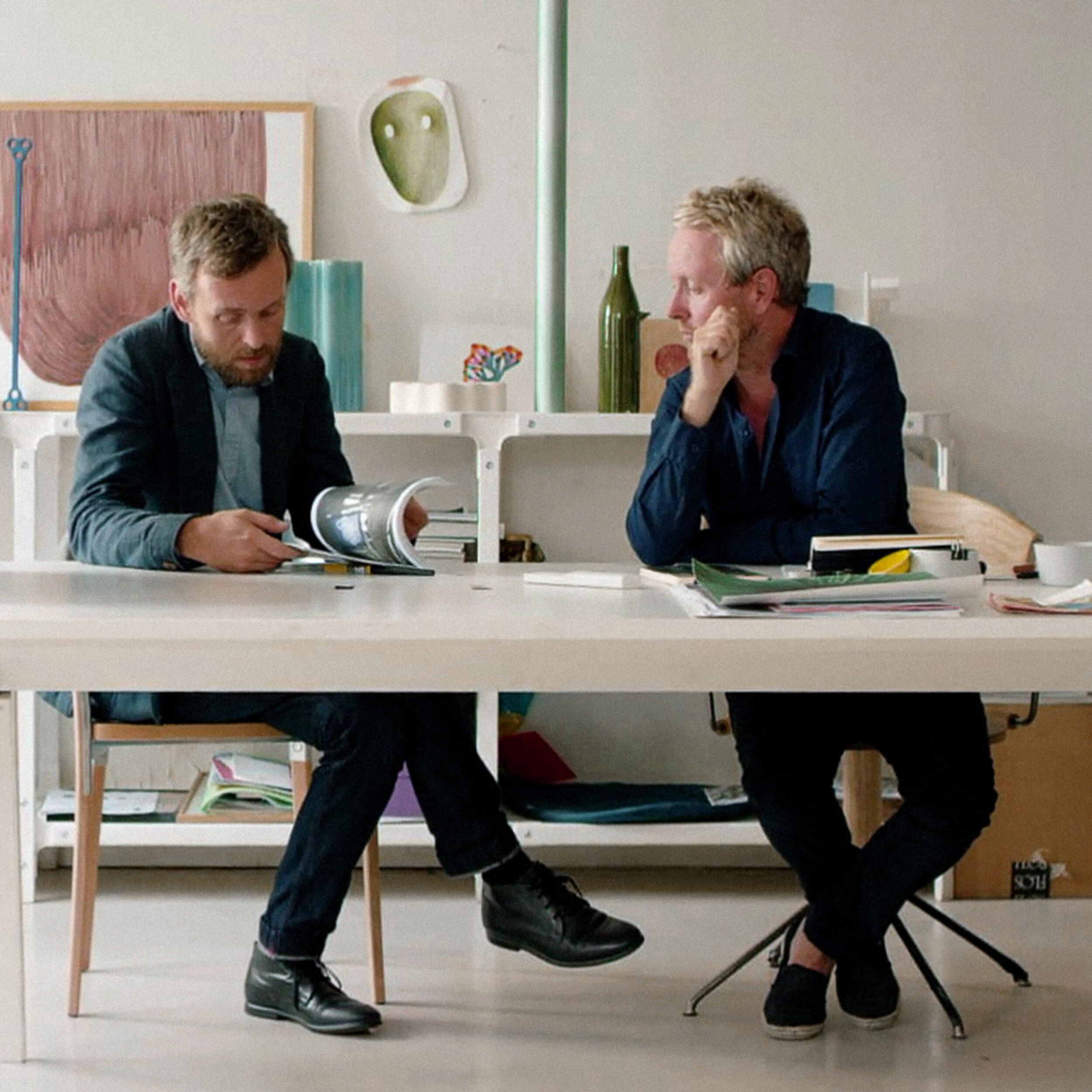
Graduates of the École des Arts Décoratifs in Paris and Cergy-Pontoise, Ronan (born in 1971) and Erwan Bouroullec (born in 1976) joined forces in 1999, united by a shared striving for balance and refinement. Their work explores a variety of fields: furniture, architecture, everyday objects and textiles.
Their breakthrough came in 1997 with the ‘Cuisine Désintégrée’ (Capellini). This was followed by prestigious collaborations with Issey Miyake, Vitra and Magis, and later with Alessi, Flos, Iittala and Artek. At the same time, they have created architectural works and installations, including the Gabriel chandelier at the Chateau de Versailles.
Having won international awards and been exhibited at the Centre Pompidou, MoMA and the V&A, the Bouroullec brothers are redefining contemporary design, combining industrial rigour with artisanal poetry.