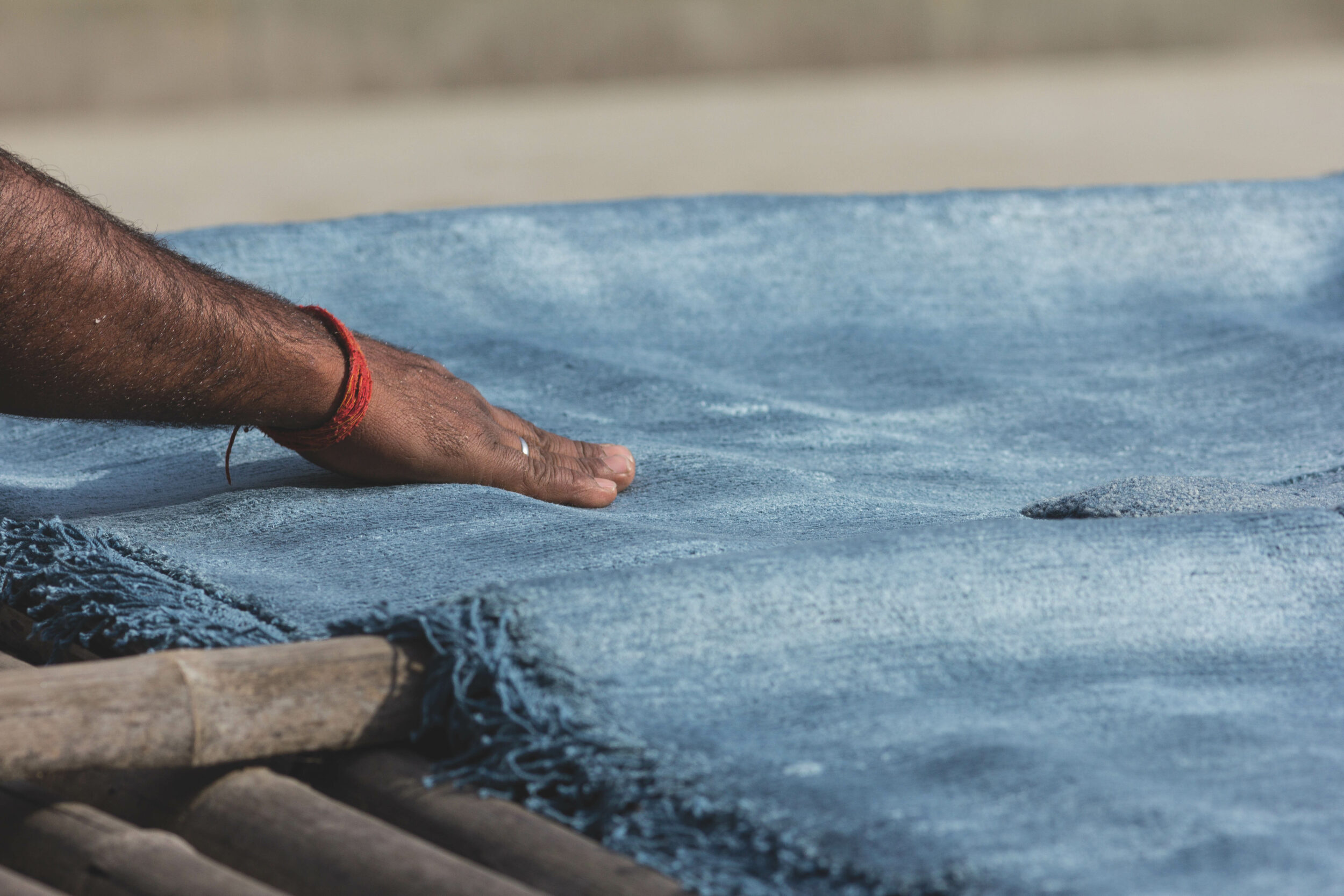
Matisse’s love of textiles also extended to the rugs that feature in many of his compositions. The imagery evoked by this object even inspired several iconic works, including Les Mille et Une Nuits. It was therefore essential for Maison Matisse to offer rugs that continue to spark our imagination.
Maison Matisse has created a series of hand-knotted and tufted rugs as part of the collection Esquisses designed by Faye Toogood. Production was entrusted to one of the leading names in the field, cc-tapis, a company based in Milan but with an atelier near Kathmandu in the Buddha region of Nepal that meticulously oversee the entire production process.
Today, Maison Matisse is expanding the collaboration by making this same series of rugs available in the catalogue of cc-tapis, reinforcing their mutual respect for innovation and craftsmanship, resulting in products of the highest quality.
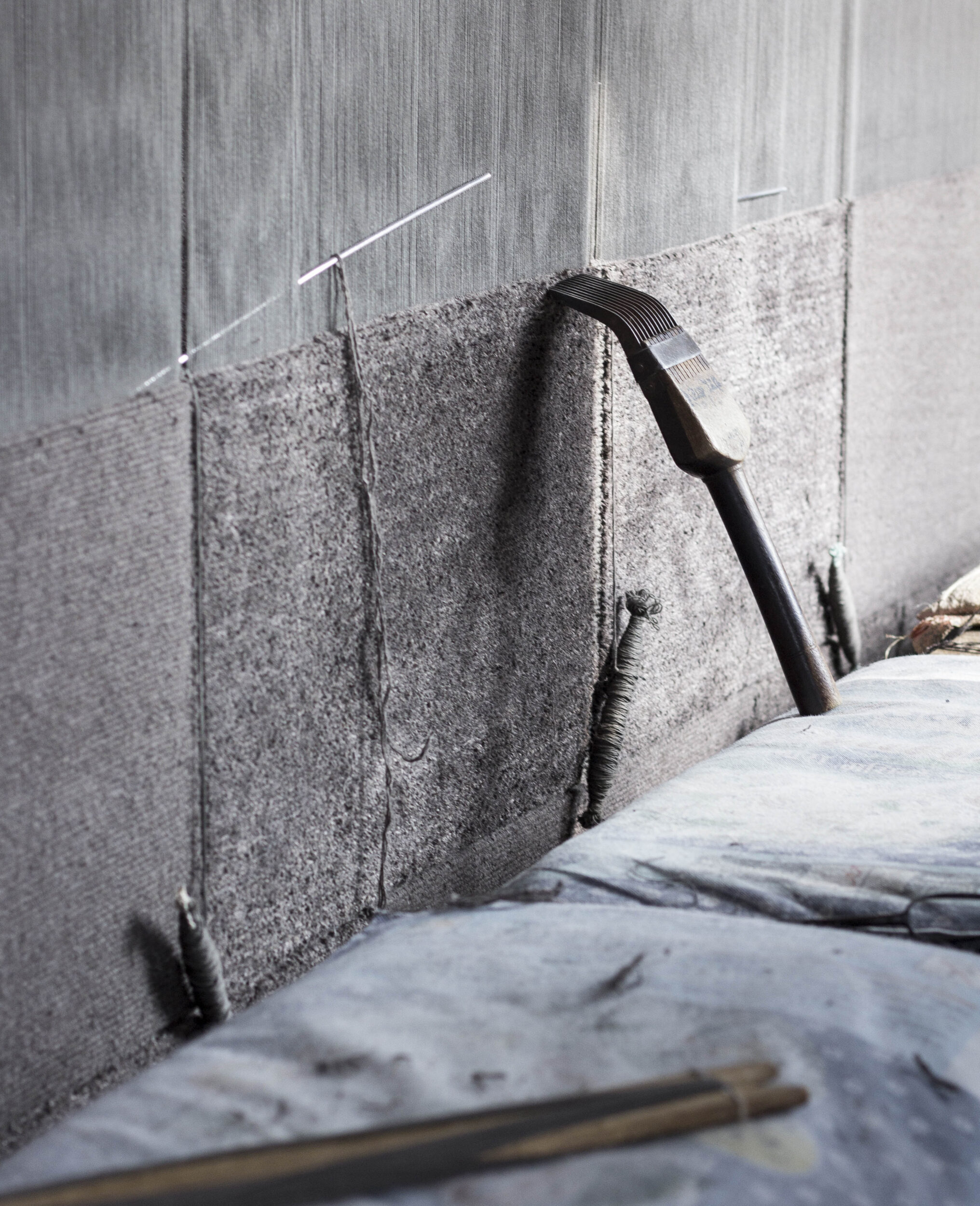
The rugs are crafted using traditional hand-knotting techniques. Each one is made by local artisans using Himalayan wool, renowned for its exceptional durability and the beauty of its natural colours.
The wool, from Himalayan sheep in Tibet, is rich in lanolin and robust, making it durable and naturally stain-resistant. Hand-knotted by Tibetan artisans and featuring nearly 125,000 individual knots per square metre, each rug requires a long and complex production process. Produced without the use of machines, it is this manual production process that makes each piece unique.

The rug is woven on a warp consisting of hundreds of cotton threads stretched across a loom. The cross threads, meanwhile, form the weft and ensure the rug’s durability. The wool threads are knotted, one by one, onto the cotton warp to create the pattern. The finishing touches are applied by hand, using scissors, to finalise the pattern, and the rug is washed before drying in the Himalayan sun.
No machines are involved, and no acids or chemicals are used, making the entire process inherently environmentally friendly. The rugs are washed using recycled rainwater, resulting in significant water conservation.

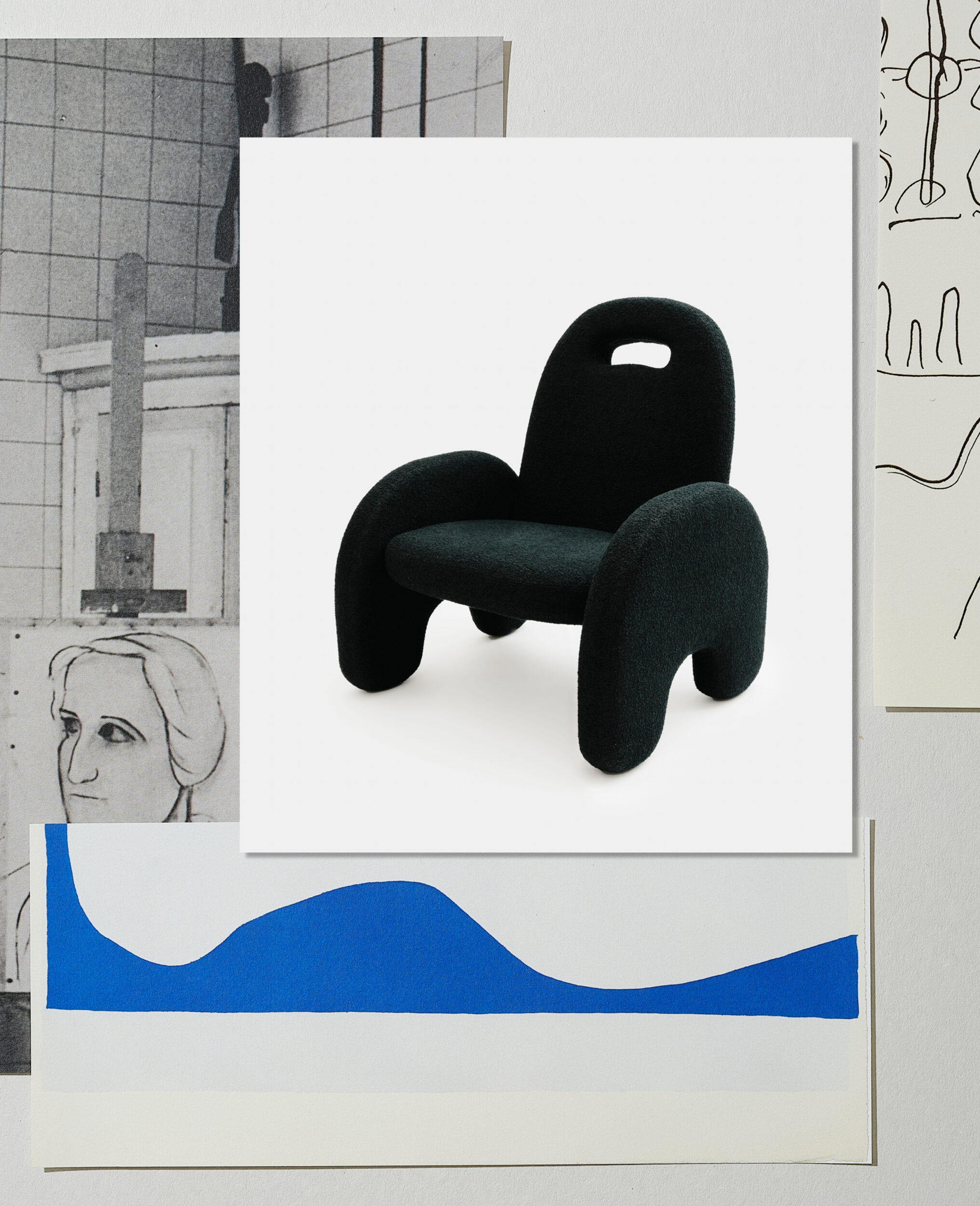
Inspired by Dessins. Thèmes et Variations, a collection of ink and charcoal drawings published in 1943, the Esquisses collection highlights the graphic force of Matisse’s work in black and white.


